


How to Find a Good Veterinarian for Your Pet
For pet owners, choosing a veterinarian is as important as finding a good pediatrician. Whether it’s your first pet or you’re an experienced pet owner, how to find a good veterinarian is essential to your pets long-term health and your peace of mind. A good veterinarian is a trusted partner in caring for your pet providing consistent, compassionate and high-quality care through every stage of your pet’s life.
We will cover:
When it comes to deciding how to choose a vet, there’s a lot to consider beyond convenience and location. Do they offer
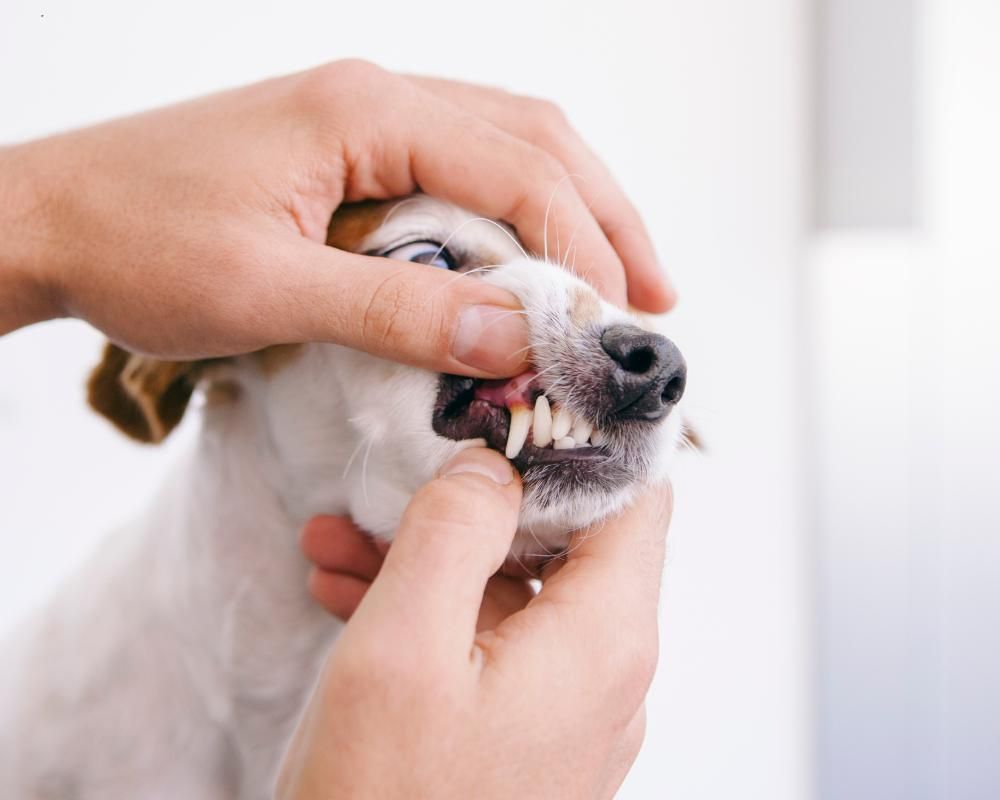
annual pet wellness exams? Emergency Care? Onsite diagnostic testing and imaging? While location matters, a great veterinary relationship is built on trust, expertise, and clear communication. Below are three essential factors to consider when deciding how to find a good vet for your pet.
Credentials, Experience, and Professional Standards
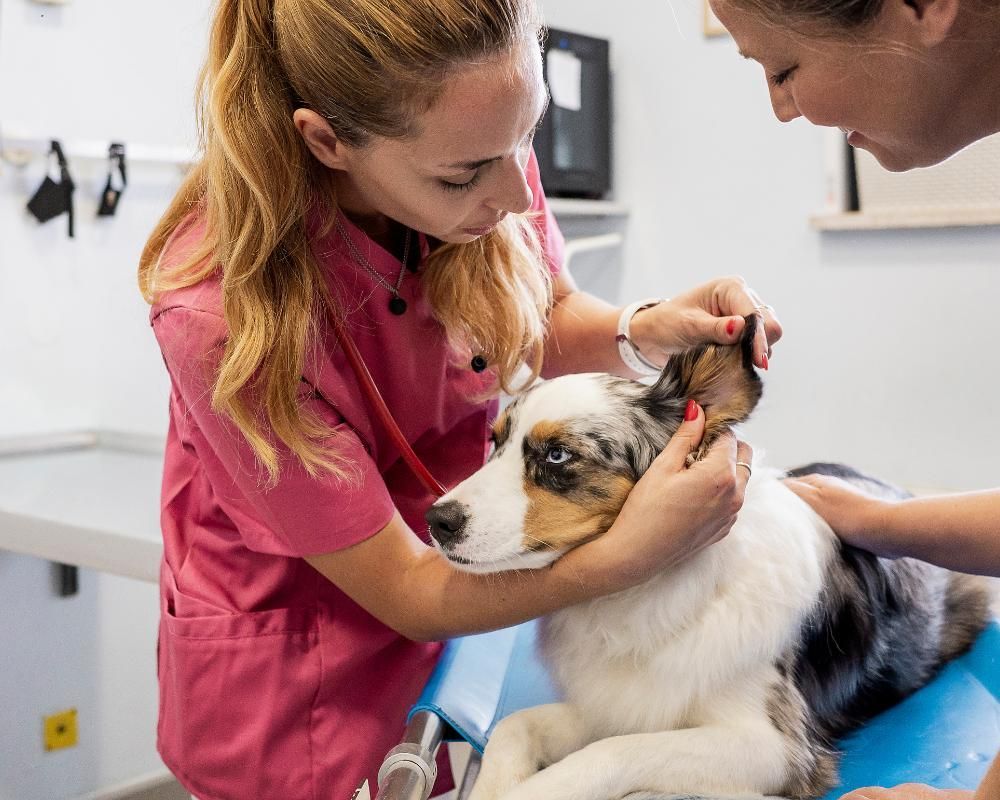
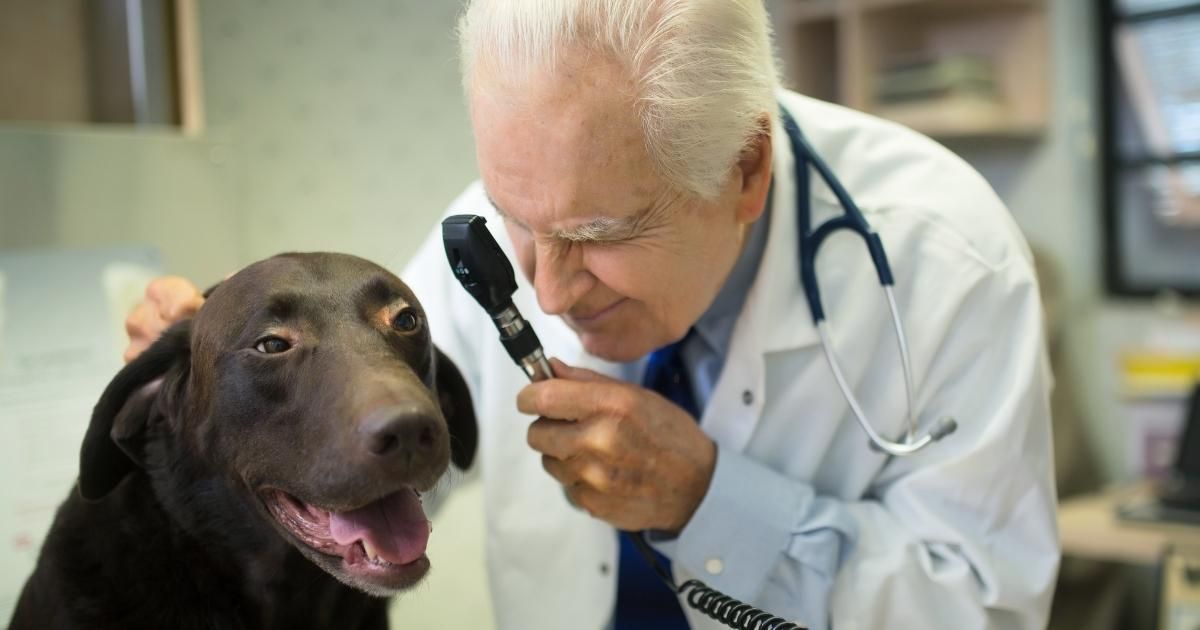
A veterinarian’s credentials form the foundation of their practice. Licensed veterinarians complete extensive education and training. Ongoing education helps veterinarians stay current with evolving medical standards, diagnostic tools, and treatment options.
Experience is another factor to consider. Some pet owners may prefer an established veterinarian but don’t automatically discount recent graduates when your choosing a veterinarian. At clinics where veterinarians who have been in practice for a long time mentor younger or recent graduates can benefit the entire practice and their patients. Veterinarians who regularly work with pets of different ages, breeds, or medical needs are often better equipped to identify subtle health changes early.
When evaluating how to pick a veterinarian, don’t hesitate to ask about experience, areas of special interest, or how the clinic stays current with best practices.
Clinic Services, Technology, and Availability
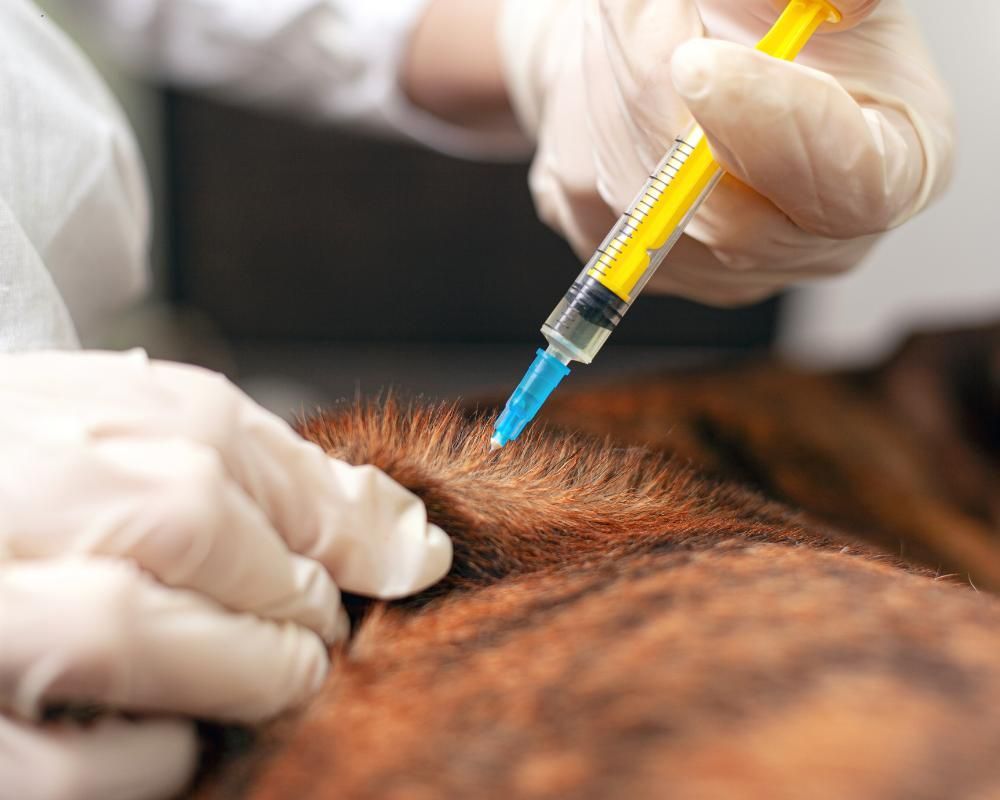
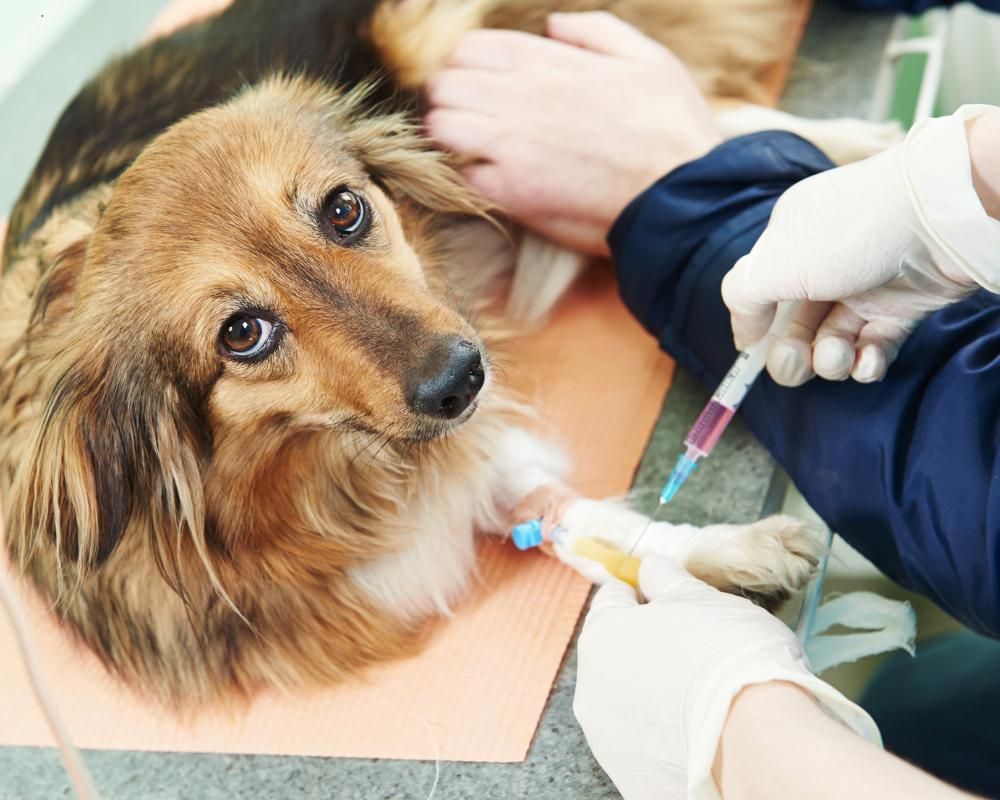
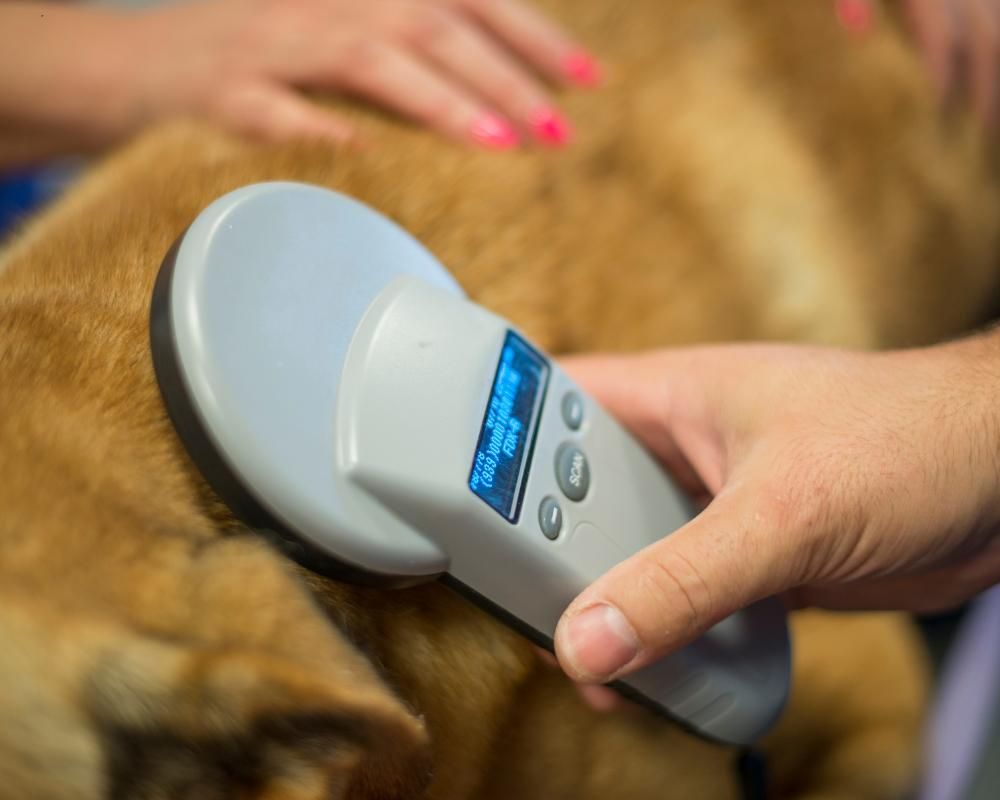
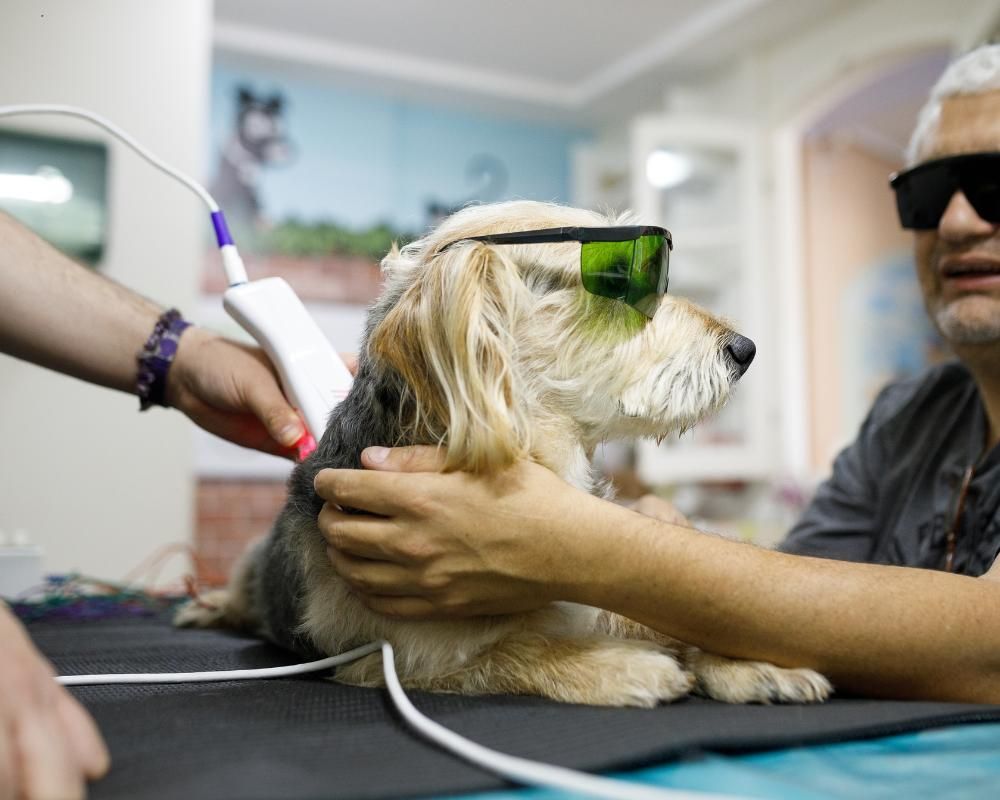
Another key part of how to find a good veterinarian involves the areas of practice beyond yearly wellness exams and vaccinations. Comprehensive practices that offer everything from preventative care though surgery and chronic condition management not only provide a convenient central location for your pets care but also their comfort. Some veterinary clinics also have access to in-house laboratory testing or imaging or partner with a provider to help with timely and accurate diagnosis.
Convenience, availability and ease of access are also considerations. Do you need the option of evening or weekend appointments for regular care? Do they offer walk-in options for urgent concerns? If they don’t offer emergency care directly, do they have a partner clinic they use for emergency referrals? It may seem counter-intuitive but a practice that is so busy that you can’t get an appointment or are left waiting for extended periods in a lobby with other pets and their owners may not be the best option for you or your pet.
Cleanliness and the use of updated technology is important.
Pets, especially sick ones, can be messy so rather than looking for pristine floors in the waiting room, look to see if staff are responsive and compassionate when handling these incidents. That compassion and care for hygiene are great indicators of the overall morale and attentiveness of the staff. Clinics that invest in equipment and staff training demonstrate a commitment to improving accuracy, efficiency, and patient comfort—important factors when deciding how to choose a vet.
Communication Style, Reviews, and Personal Comfort
Similar to your own medical care, strong communication is a cornerstone of effective veterinary care. A good veterinarian walks through findings, treatment options and expected outcomes clearly. You should feel comfortable asking questions and confident that your concerns are being heard when choosing a good vet for your pets.
Reputation through online reviews can be helpful when learning how to find a good vet, but your firsthand experience is most important. Your comfort level directly affects your pet’s care. When clients trust their veterinarian, they’re more likely to follow treatment recommendations and maintain regular wellness visits leading to better health outcomes over time.
How Do I Know If a Veterinarian Is the Right Fit for My Pet?
As you approach your first visit, prepare your primary questions for your vet and evaluate how well they answered them after the visit. Did they discuss varying levels of treatment from vaccinations to nutrition and age related concerns? Vet clinics often have a lot of scents and new people so your pet may show signs of nervousness and anxiety during an initial visit. A calm and compassionate staff can win a pets trust over time.
If something doesn’t feel right, whether it’s a rushed appointment or unclear communication, it’s okay to reassess. Understanding how to choose a vet gives you a great basis for advocating for your pet. Finding a good vet is as much about the partnership between pet owner and vet as it is about your pets health.
Schedule a Visit With a Veterinarian You Can Trust
Learning how to find a good veterinarian is about more than credentials or convenience. Factors such as good communication, preventive care, and long-term relationships matter too. At Chipman Road Animal Clinic, we’re committed to providing knowledgeable, friendly care tailored to each pet’s unique needs.
If you’re ready to take the next step in how to pick a veterinarian who prioritizes trust and personalized attention, come visit us (No appointment needed!) or if you have questions
contact the staff at Chipman Road Animal Clinic. we invite you to schedule an appointment with our team. We look forward to partnering with you to support your pet’s health at every stage of life.