
Can Dogs get seasonal allergies?
Seasonal Allergies In Pets: What To Know
Do you have an itchy dog at home and don’t know why? Are you concerned your pet may be suffering from fall skin allergies or want to know if there are any dog seasonal allergies treatments? Dogs, just like humans, are susceptible to allergies and irritations of all sorts. According to VCA Hospitals , allergies are an abnormal immune response to a harmless foreign substance. The longer a dog is exposed to an allergen, the higher their sensitivity is. This is why older dogs will seemingly have more allergies and more intense reactions. Allergic reaction scan be caused by anything from food sensitivities to seasonal factors, the most common generated from dust and dust mites, pollen, grass, and flea bites. Symptoms range in severity from itchiness and excessive shedding to chronic ear infections and gastrointestinal issues. If your dog is experiencing allergic symptoms, it is best to bring him in to Chipman Road Animal Clinic to rule out more serious problems like skin mites, fungal infections or other internal diseases first.
Food Allergies vs. Seasonal Allergies
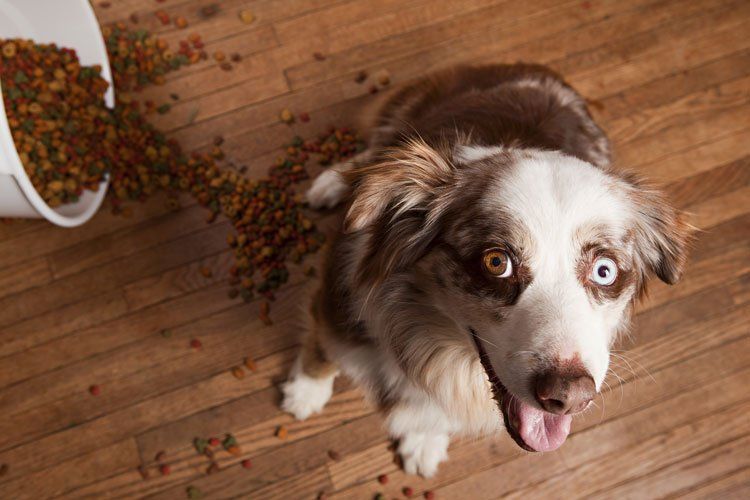
Now that you have ruled out more serious health issues, how can you tell if your dog is suffering from pet seasonal allergies or food allergies? It is important to note that most negative reactions your dog may have to food are sensitivities and not true allergies. The American Kennel Club explains that true food allergies will create a more severe response: hives, swelling, vomiting or diarrhea. Food sensitivities and intolerances will typically develop over time, though some sensitivity can present with more severe symptoms akin to allergic reactions. Most pet allergies, whether they are from food or seasonal factors, present themselves in a similar fashion. One main difference is that, in general, dog seasonal allergies will come and go with the change in the seasons. Allergic reactions can also result in skin issues and the location of the affected area can be helpful in determining what is to blame.
Signs and Symptoms of Food Allergies
Food allergies present in several ways but are most commonly caused by chicken, beef, pork, wheat and corn. If your dog is scratching constantly, has constant ear infections, is suffering from skin infections or gastrointestinal issues, a food allergy may be the culprit. Diagnosing a food allergy takes time and patience. The best way to establish a food allergy is to start your dog on an elimination diet. By removing any potential allergens from your dog’s diet and then slowly introducing them back in, one by one, you can find the culprit of your dog’s allergies. If you are concerned your dog has a food allergy, we recommend bringing him into Chipman Road Animal Clinic to determine the source of the allergy.
Signs and Symptoms of Fall Allergies in Dogs
Fall pet allergies can present similar symptoms as food allergies. Itchiness, excessive shedding and chronic ear infections are all common symptoms of dog seasonal allergies. A few other common symptoms include:
- Inflamed or infected skin. This is a common dog allergy symptom, especially if you have an itchy dog that can’t stop scratching.
- Scratching and/or biting. One of the more common symptoms of fall allergies in dogs is constant scratching or biting. If you notice your dog is excessively itchy, you may want to bring him in for
dog allergy treatment.
- Constant paw-licking and face rubbing. While this is a normal behavior for cats, dogs who are suffering from an increase of histamines tend to try and push them out by rubbing their noses.
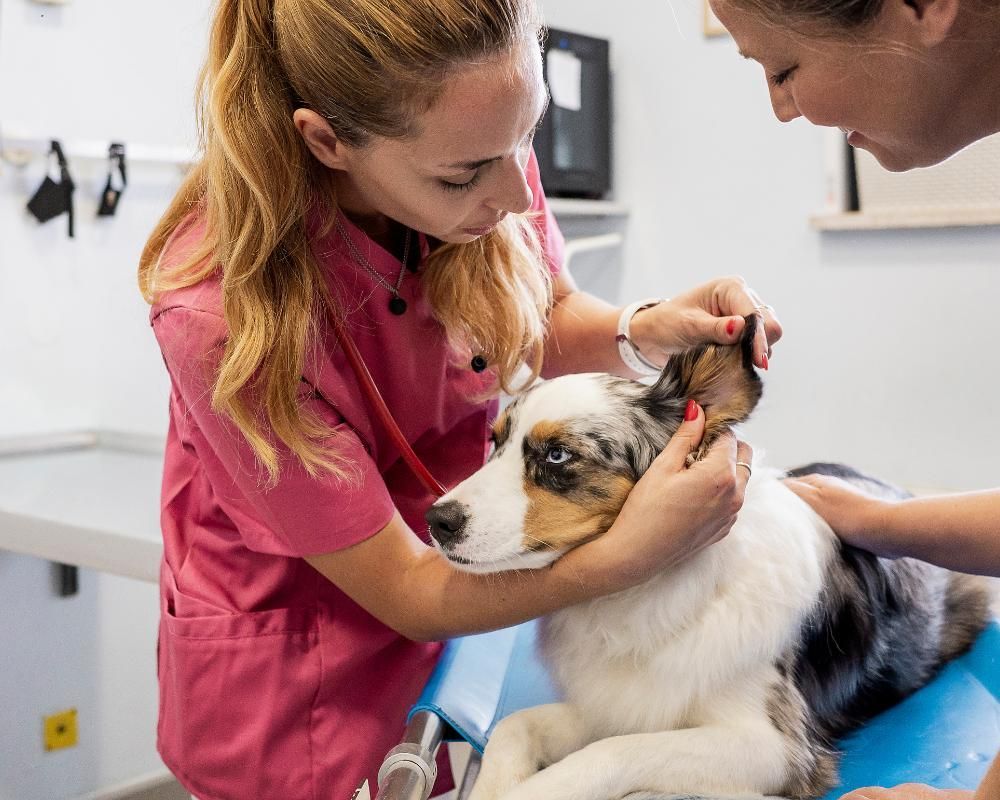
- Chronic ear infections. Dogs who are suffering from red, waxy ears and excessive head shaking may have seasonal allergy-induced ear infections. It can take up to 12 weeks for your dog to see improvement so it is important to bring him in for treatment immediately if you see him displaying this behavior.
If you’ve noticed your dog seems uncomfortable, it’s a good idea to bring him in for a checkup. We all know how irritating seasonal allergies can be, don’t let your pet suffer through them when we can help provide seasonal allergy relief for dogs!
How to Treat Seasonal Allergies
Sometimes in extreme cases or upon request of the client, we refer to a pet dermatologist/specialty hospital. We don’t do any allergy testing here and usually have success in treating the symptoms. Introducing fatty acids, like those found inomega-3, can help to reinforce your dog’s skin barrier and provide itch relief for dogs. Your vet may also prescribe antihistamines or steroids to help reduce inflammation if your dog doesn’t show signs of a secondary skin infection. For dogs that have contracted an additional skin infection as a result of their seasonal allergy symptoms, an antibiotic may be recommended to help your dog find relief from his discomfort. There are some dog seasonal allergy home remedies that may provide temporary relief for an itchy dog or one who is suffering from other allergy symptoms.
Flea control/prevention: as a preventative measure it is best to make sure your dog is protected from fleas so he is not suffering from two external factors.
Environmental control: the simplest option that may provide the most seasonal allergy relief for dogs is simply removing them from contacting anything you know to bean irritant.
Give your dog a bath: if your dog’s skin is being irritated by pollen, grass or another airborne substance, a bath with a mild shampoo can help remove the topical exposure and provide some itch relief for dogs.
Your Partner For Pet Allergy Treatment
It is best to not handle your dog allergy treatment alone and always communicate with your vet before administering any allergy medicine for dogs. Chipman Road Animal Clinic is experienced at diagnosing dog allergy symptoms and providing dog allergy treatment. If you find yourself wondering, “Why is my dog so itchy in the fall?” stop by Chipman Road Animal Clinic to have your dog checked out for seasonal allergies.