
Handling Winter Pet Upsets: Vomiting and Nausea—What You Can Do at Home
As winter settles in and routines change, seasonal shifts could affect your pet pal’s health, making it a good time for a Wellness Exam. This time of year, it’s common to discuss wintertime risks with the Vet, including one of the most unsettling topics: vomiting. At first, it can be hard to tell whether your pet is sick due to an upset stomach or if it’s a sign of a more serious condition.
Vomiting can be mild or serious – This guide walks you through:
- When it’s okay to wait it out at home — and when it’s time to call your vet
- Simple at-home relief options to ask your veterinarian about
- Common winter-related causes of vomiting in dogs and cats
- Trusted home treatments to help your pet feel better, faster
Let’s discuss it all, so you can help your pet feel well all winter long.
Vomiting and Nausea in Pets Can Be Caused by Many Things
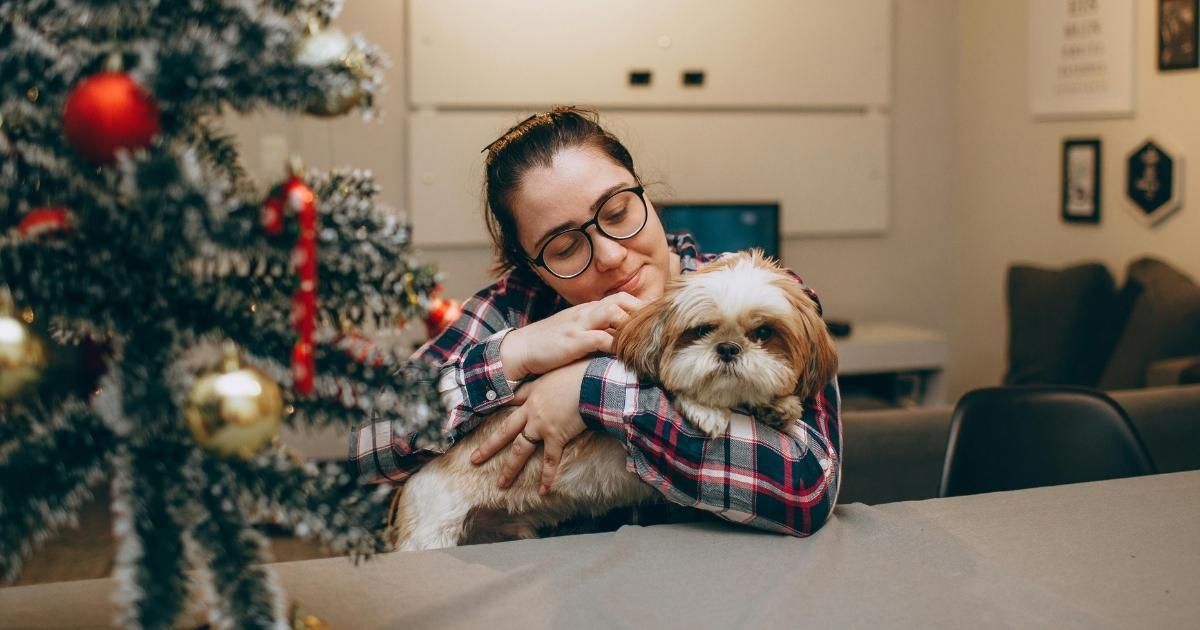
It’s unsettling when your pet experiences nausea and vomiting, especially during cold weather. Investigating the reasons why a pet is sick is the first thing to do when you’re wondering what to do when a pet is vomiting during winter. Hopefully, their stomach is upset only because of richer holiday foods, new treats, or stress from disrupted routines. Even cold temperatures can cause an upset stomach in pets. These are the most common reasons for dog sickness this time of year.
At other times, vomiting is an indication of underlying
health conditions that require prompt veterinary care. Protect your pet’s health by knowing the difference between signs of a mild stomach upset and signs of something more serious.
When to Monitor at Home vs. Call the Vet
Knowing what to do when a dog throws up depends on the situation. An occasional episode caused by eating too fast, mild nausea, or a sudden change of food is probably not serious. Keeping a close eye on your pet and offering a bland diet will often take care of it.
You should take action if you notice:
- Lethargy or unusual tiredness
- Blood in vomit or stool
- Signs of dehydration (dry gums, sunken eyes, poor skin elasticity)
- Repeated vomiting in a short time span
Knowing what to do if your dog is vomiting with the above signs means calling your vet promptly.
At-Home Comfort Measures to Ask Your Vet About
Unless your pet is showing signs of concern, you might wonder what to give your dog for vomiting or how to provide comfort at home. We understand, you want to offer help to your pet quickly, but it’s best to avoid administering medications or treatments without your veterinarian’s approval.
Your vet will likely offer the following care options:
- Withholding food for a few hours to allow the stomach to settle
- Offer small sips of water to maintain hydration
- Provide a warm, calm, quiet area for your pet to rest in
Always consult with your vet first if you’re considering any kind of treatment for vomiting in dogs. Your vet will offer recommendations according to your pet’s needs and history.
How Winter Conditions May Contribute
“Why does my dog throw up more often in winter?” is a frequently asked question. During winter, environmental and lifestyle changes will often trigger digestive upsets.
These changes include:
- Reduced physical activity that slows digestion
- Rich seasonal foods and table scraps that upset the stomach
- Exposure to road salt and irritants on paws (which might be ingested during grooming)
- Holiday decorations, plants, cleaners, and antifreeze – all of which can be toxic if licked or ingested
If you’re wondering what to do for a dog vomiting during the winter, it’s best to err on the side of caution with a quick call to your vet; doing so could prevent a serious issue.
Can I Treat Vomiting at Home Without Going to the Vet?
Many pet owners search for answers: What can I give my dog for throwing up at home? A conservative approach is best. Mild stomach upsets will be helped with simple measures like rest and hydration. You should never give medications or home remedies without first consulting with your vet.
A quick call to your veterinarian can make a huge difference. Your vet may offer recommendations such as a bland diet adjustment or other gentle care – only if appropriate.
You could use this time to bring your pet in for a Wellness Exam. The benefit here is that the vet can determine if your pet has food sensitivities, digestive disorders, or chronic stress issues; these can be addressed before they escalate.
When in Doubt, Chipman Road Animal Clinic Is Here to Help
Mild vomiting in dogs or cats, especially during the winter, will likely resolve without treatment. When vomiting continues, gets worse, or if you’re unsettled about it, don’t wait. All it takes is a quick call to your vet, such as Chipman Road Animal Clinic if you're in the Lee's Summit, MO area, who will let you know what to do, giving you peace of mind. If something serious is indicated, your quick response can save the day.
Contact Chipman Road Animal Clinic today for more information.
Wellness Exams are a great way to stay ahead of winter-related health changes that can sneak up on our pets.