Is Your Senior Dog Struggling? Signs of Hip Dysplasia
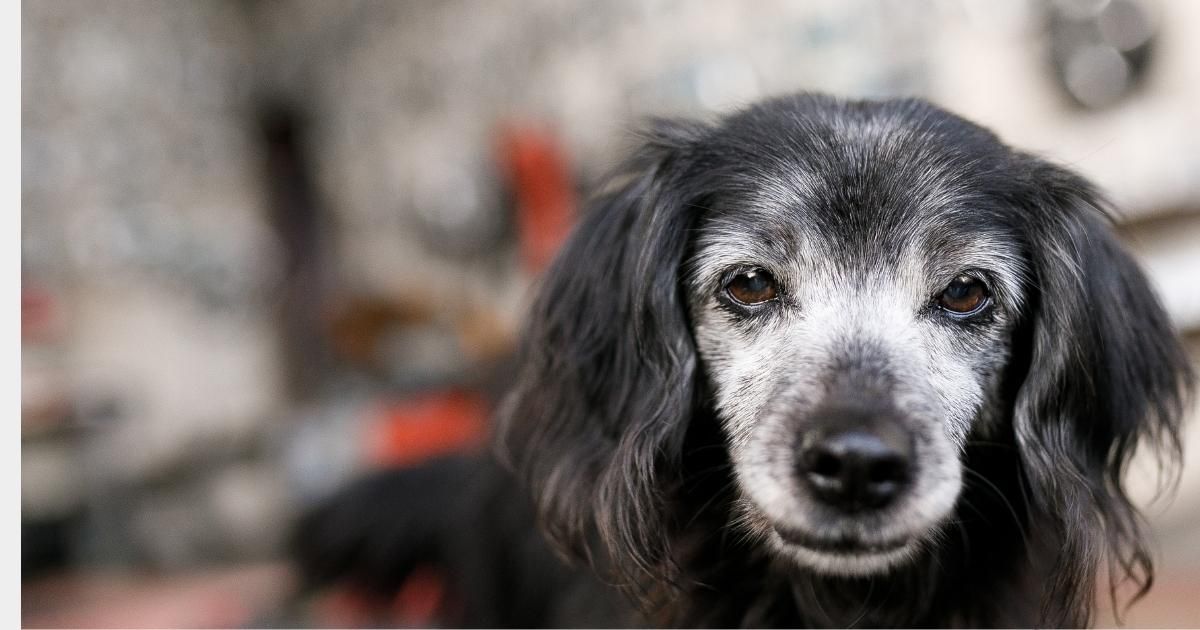
If your faithful companion, the one who’s been loyal for years with unconditional love, has mobility problems, you may need to investigate senior dog hip dysplasia treatmentoptions with a veterinarian. Hip dysplasia in dogs is a common and painful condition caused by a hip joint that doesn’t fit properly. Senior dogs are most vulnerable due to age related joint wear and tear, although it can affect dogs of all ages.
In this post we will cover:
- Common Signs of Hip Dysplasia in Senior Dogs
- Why Senior Dogs Are More Prone to Hip Dysplasia
- Diagnosing Hip Dysplasia in Dogs
- Senior Dog Hip Dysplasia Treatment Options
You can make a big difference in your pet’s comfort and quality of life by recognizing the signs of hip dysplasia early. Are you noticing reduced movement, discomfort, limping, or a hesitation to climb stairs? The sooner you get your pooch to see the vet, the more hip dysplasia treatment options you will have.
Understanding Hip Dysplasia in Senior Dogs
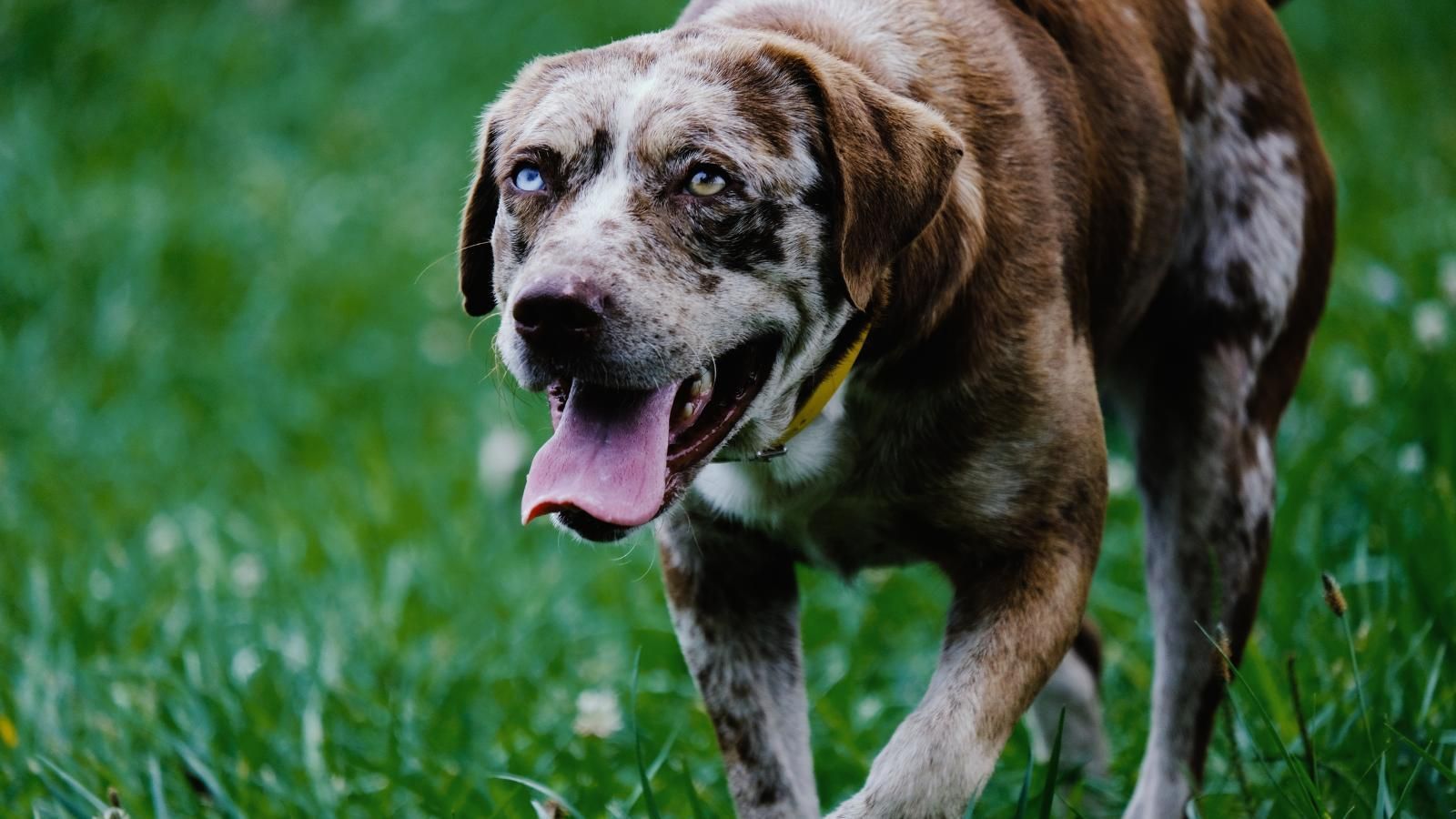
Thankfully, early intervention will make a significant difference. If you recognize the symptoms early and receive tailored treatment options from a veterinarian, you can put the brakes on hip dysplasia progression, reduce pain, and improve your dog’s quality of life.
Common Signs of Hip Dysplasia in Senior Dogs
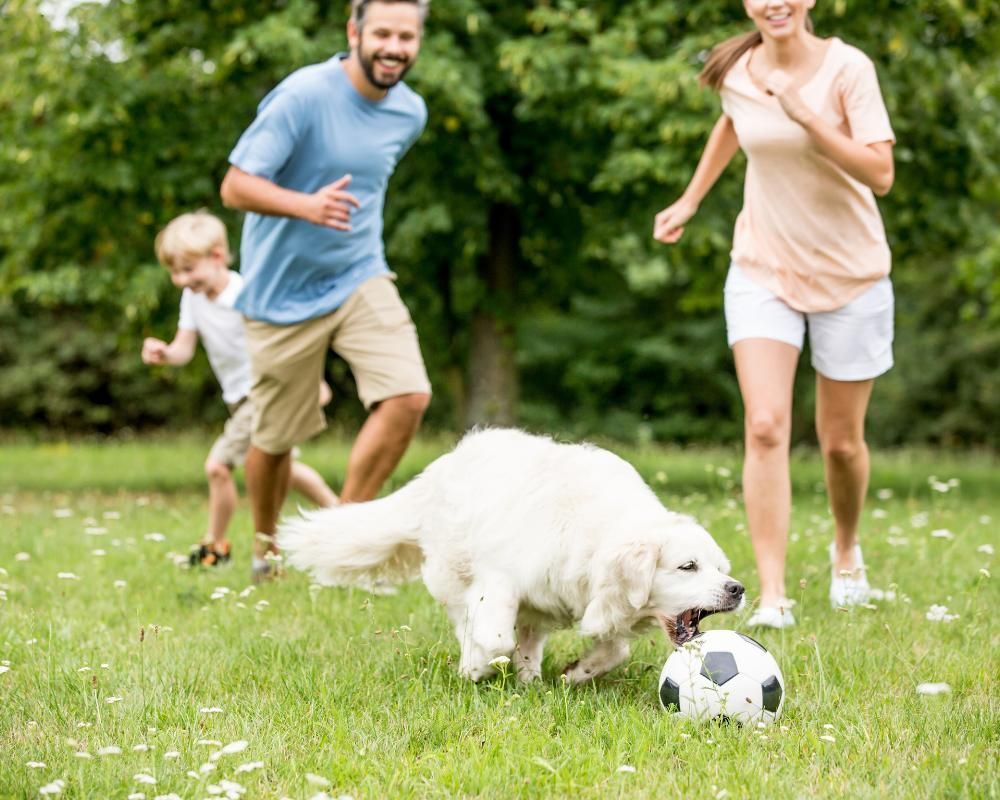
Limping or stiffness, especially noticed after resting or first thing in the morning Difficulty standing up, jumping onto furniture, or climbing stairs A ”bunny-hopping” gait or noticeable changes in how your dog normally walks. Reluctance for play, walks, or regular exercise
Keep a close eye on your senior dog’s behavior and activity level, as these signs come gradually. Early detection comes with more options for supportive care and treatment.
Why Senior Dogs Are More Prone to Hip Dysplasia
There are at-home treatment options available such as joint supplements, prescribed pain medications, healthy weight management and diet plans, and canine physical rehabilitation therapies that can help. These measures should be used as a broader treatment plan - not to replace ongoing veterinary care that is essential to manage hip dysplasia effectively.
Catching the signs of hip dysplasia in dogs before they become severe and receiving treatments from your veterinarian can slow joint deterioration and improve your dog’s long-term comfort.
Diagnosing Hip Dysplasia in Dogs
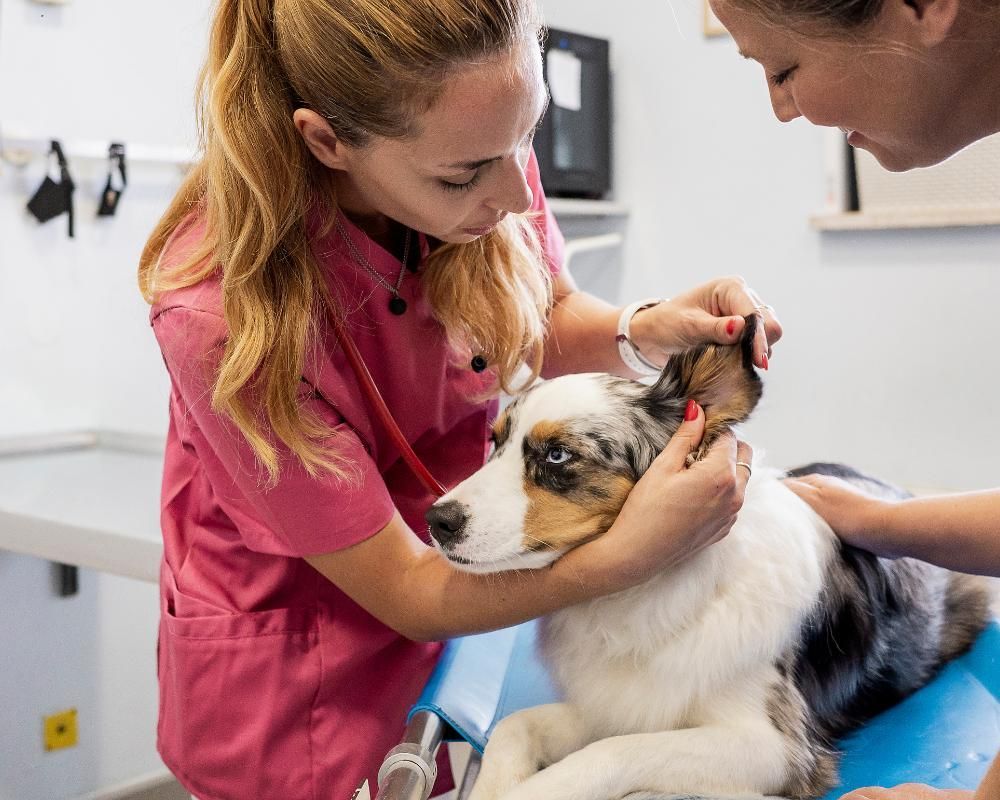
Again, early detection is crucial. When hip dysplasia in dogs is diagnosed early, the treatment options will be more successful. Monitor your dog’s symptoms at home and share these with your vet at your next veterinary check-up to give your pooch the best chance for symptom management.
Senior Dog Hip Dysplasia Treatment Options
There are no one-size-fits-all treatment plans for hip dysplasia in dogs. Treatment plans are tailored to your dog’s age, the severity of the damaged hip joint and the overall health condition. Ranging from conservative to surgical solutions, treatment plans include:
- Weight management and dietary changes Your vet may recommend a special diet or feeding plan that supports joint health and optimal body weight.
- Pain and inflammation Medications Anti-inflammatory medications and pain relievers could be prescribed to reduce pain and swelling around the hip joint.
- Physical therapy and low-impact exercises Along with recommending low-key activities such as swimming, leash walking or guided stretching, your vet may suggest professional canine physical therapy for targeted treatments.
- Surgical options To correct severe hip joint damage, surgery may be required to improve mobility. A femoral head osteotomy (FHO) procedure removes the head and neck of the femur. Over time, a “false joint” made of scar tissue forms, allowing the dog to regain mobility with significantly less pain. FHO works best for small dogs, or for those not well suited for a full hip replacement. Full hip replacements are another surgical option.
Your veterinarian will guide you through the best options to ensure your faithful fur baby stays as comfortable and active as possible.
Helping Your Senior Dog Stay Comfortable
Early detection for hip dysplasia in dogs is essential. Contact Chipman Road Animal Clinic for a thorough examination and to explore senior dog hip dysplasia treatment options. We love taking care of pets in Lees Summit and surrounding areas like Unity Village, Longview Lake, Raintree Lake, Summit Fain, and Downtown Lee’s summit. We’re conveniently located at 211 Chipman Rd, Lee’s Summit, MO 64063. We’ll help your senior dog live its best life for as long as possible. 816-524-1886