

Do Cats Need Shots Like Dogs? What Cat Owners Should Know
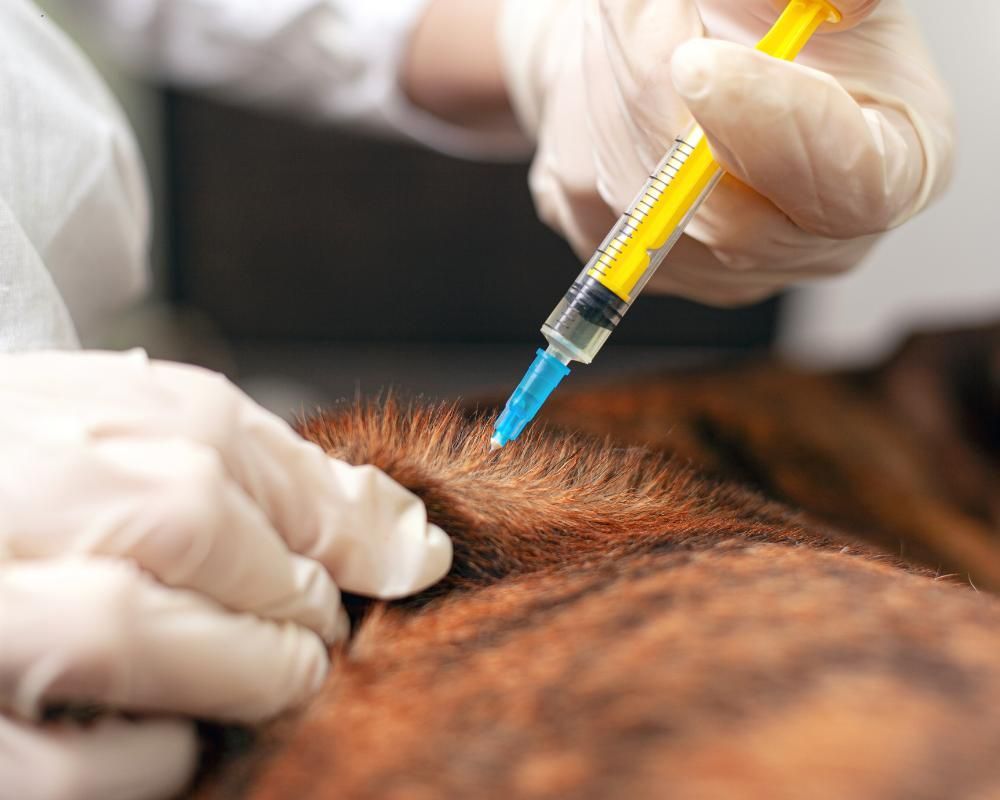
Cat shots protect your kitty from serious diseases and are an important part of responsible cat ownership. Not only do vaccines protect your cat but in many cities, counties and states, some vaccines are legally required to help protect the wider feline and human population. Cat vaccines are classified as core and non-core as dog vaccines are, but the types and schedules can vary between species. Knowing the differences and following a veterinarian’s advice will help you make the best immunization choices for your purr muffin.
In this post, we’ll cover:
- Should cats be vaccinated?
- What’s the difference between dog and cat vaccines?
- When should cats get vaccinated?
- Is it safe to vaccinate a cat?
Understanding Cat Vaccines: Why They’re Essential

What Vaccines Do Cats Need? Core and Non-Core Shots
- Rabies vaccine for cats - Protection against a deadly virus affecting pets and humans
- Feline panleukopenia (distemper) – Protection against this very contagious and often fatal virus
- Feline Calicivirus and herpesvirus - A combined FVRCP vaccine preventing common upper respiratory infections.
The feline leukemia vaccine is a non-core vaccine that is not considered essential but is recommended according to your kitty’s risk or exposure. Those who own outdoor cats or own several cats may be urged to protect their pets with this non-core vaccine based on their age, lifestyle, and health conditions.
How Cat Vaccines Compare to Dog Vaccines
Generally, cat vaccines protect against serious and/or contagious diseases, similar to dog vaccines. Both dogs and cats should be safeguarded from life-threatening viruses. Among the two, dogs require more vaccines due to lifestyle-based vaccines. Dogs visit boarding facilities and dog parks where they are exposed to Bordetella . Outdoor and multi-household cats may need additional vaccines; otherwise, cats require fewer vaccines.
It’s a misconception that cats don’t need vaccines- even when they are indoor cats. Indoor cats need protection from the core vaccines as infectious agents can be picked up through visitors, other pets, or brief outdoor escapes.
How Often Should Cats Get Vaccinated?
At 6 to 8 weeks old, kittens should receive their first round of cat shots, then boosters every 3 to 4 weeks until they are 16 to 20 weeks old. Building their immune systems early protects them when they are most vulnerable.
Adult cats should receive booster vaccines every 1 to 3 years, depending on the type of vaccine and your vet’s recommendation. Often, local laws mandate annual or triennial cat vaccine verifications.
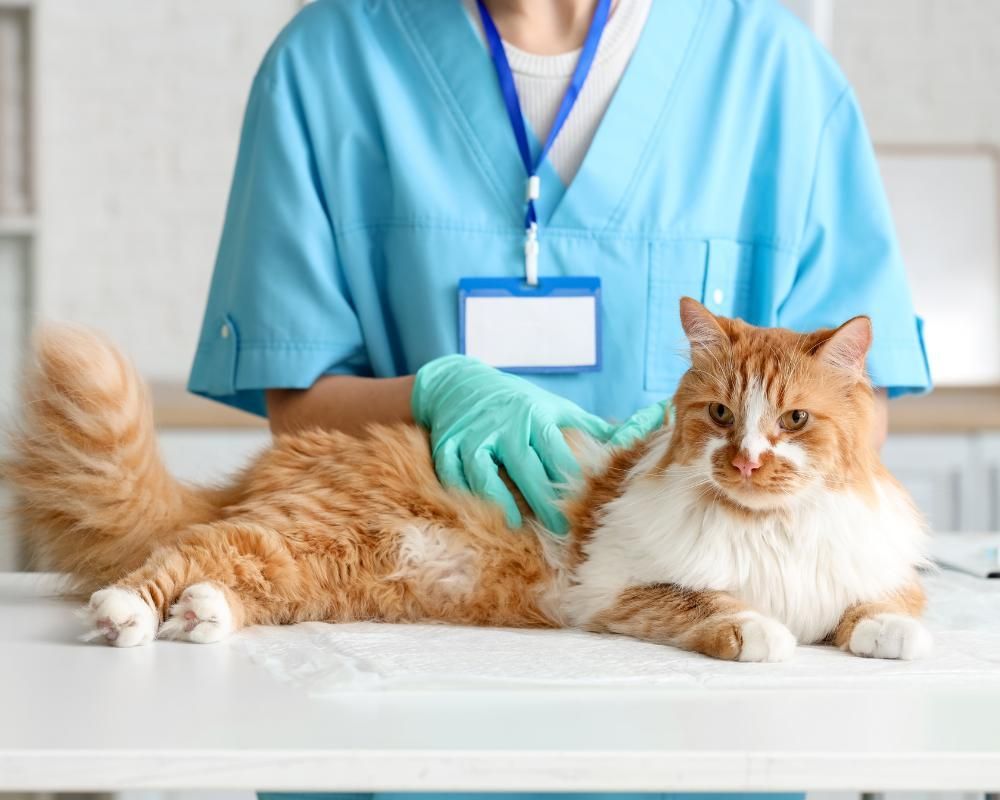
Follow your veterinarian’s recommendations for a vaccination schedule based on your cat’s age, health, environment, and lifestyle. Wellness visits will keep you on track and up-to-date with the cat vaccines your fur ball needs most.
Are Cat Vaccines Safe? Risks & Benefits
Keep Your Cat Protected with the Right Vaccines
Staying current with your cat’s vaccines promotes a long, healthy life for your purr-motor. Core and non-core cat vaccinations protect against rabies, feline distemper, and feline leukemia for your peace of mind.
At
Chipman Road Animal Clinic , our friendly experienced team will guide you through your cat’s purrferred vaccination schedule based on lifestyle and health history. Whether you’re in Unity Village, Longview Lake, Raintree Lake, Summit Fair, or Downtown Lee’s Summit, we’re just a short drive away.
Contact us today to ensure your cat stays healthy and up to date on vaccinations. 211 Chipman Rd, Lee’s Summit, MO 64063 816-524-1886