Obesity in Pets: Health Risks, Prevention, and Safe Weight Loss
We all know the dread of approaching the scale at our physician’s office when it’s time for our own Wellness Exams but just like they are an important marker of our health, changes to your pets weight can indicate health issues early. We know that obesity in pets can cause or worsen health issues yet gradual weight gain can be surprisingly easy to miss when you see your pet every day.
Most pet owners know that maintaining a healthy weight can avoid many pet obesity health risks leading to healthier, happier pets with long lives. In this article we are going cover several aspects of managing your pets weight and how your annual veterinary checkup plays an important role.
We will cover:
• Why Obesity Is Dangerous for Dogs and Cats
• How Wellness Exams Help Identify Weight Concerns
Pet Obesity Health Risks: What Owners Should Know

We love our pets, we love to make them happy. Who can say no to those big eyes or tappy toes? Unfortunately, just like snacking for humans, these additional calories add up over time. Changes to activity due to age, weather or schedules is another factor that can cause our pets to gain weight gradually. Another difficulty in eyeballing your pets’ weight and health are differences in breed, age, body structure, muscle mass, and health status.
Pet obesity prevention is less about reaching a specific number on the scale and more about maintaining a healthy body condition. Early intervention can make correcting behaviors and improving overall health easier but addressing pet obesity at any age is going to have positive effects. Once they stop guilting you over the reduction in treats.
Why Obesity Is Dangerous for Dogs and Cats
Excess weight not only makes everyday activities more difficult, it stresses the joints and puts pressure on the cardiovascular and respiratory systems. Difficulty walking, going up and down stairs, climbing into litter boxes, jumping and grooming, are all indications that your pet is struggling with their weight.
A little extra weight can compound quickly and health issues start stacking up, exacerbating conditions such as osteo-arthritis, heart problems, respiratory conditions and more.
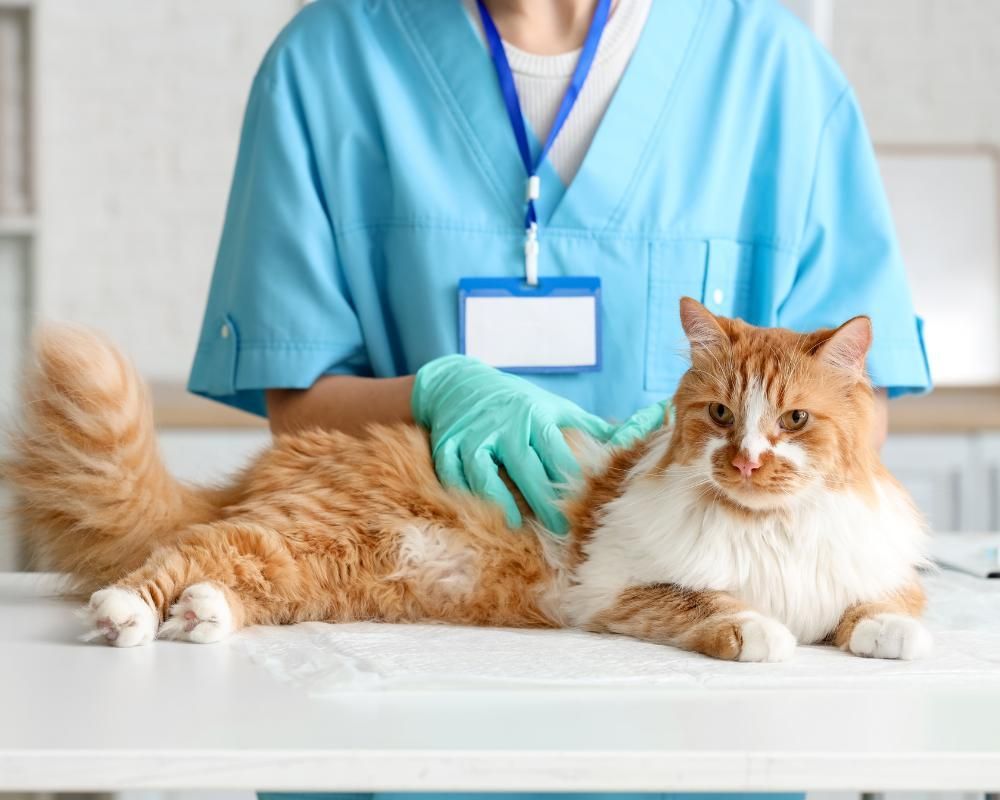
A healthy cat weight cannot be determined by pounds alone. Veterinarians also evaluate body condition, including how easily the ribs can be felt and how fat is distributed across the body. These details provide a more useful picture of health than comparing every cat to a single target weight.
How Wellness Exams Help Identify Weight Concerns
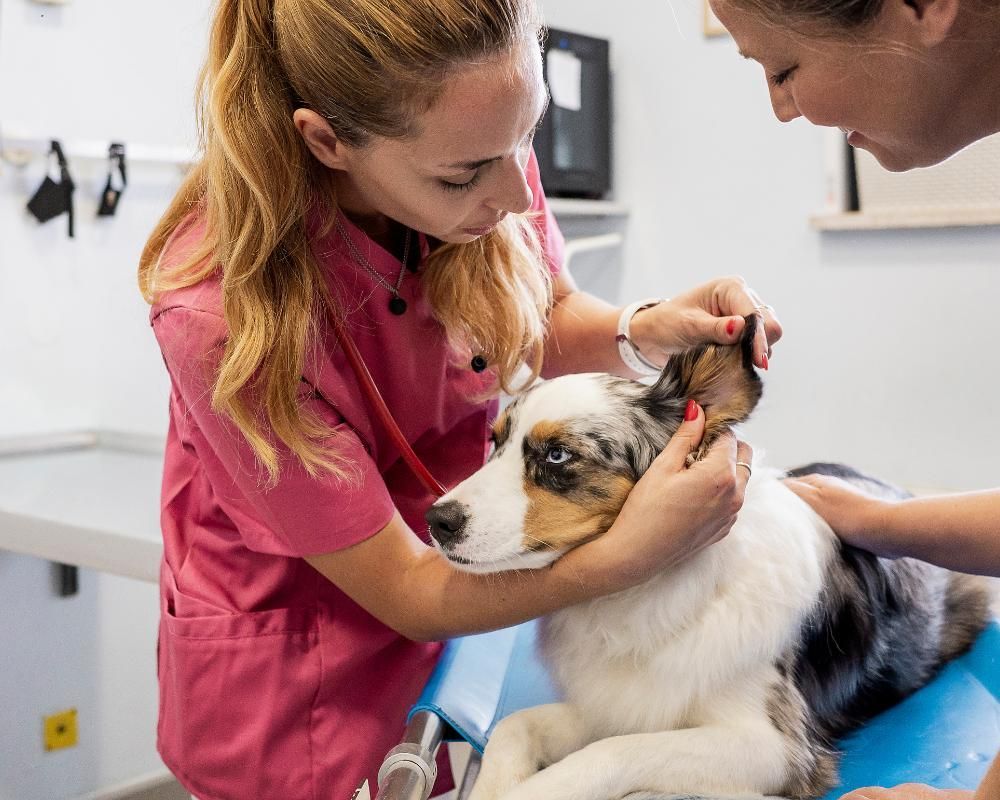
Routine Wellness Exams allow veterinarians to track weight over time which can help pinpoint changes more accurately than a single number.
These visits are also the right time to get individualized answers to questions such as how many calories should my dog eat or how much should I feed my cat. Calorie needs can vary considerably based on size, age, activity, reproductive status, current body condition, and health conditions. Vets can offer advice on the right foods, supplements and activities to help your dog reach optimal health during all stages of life.
Safe Weight Loss Tips for Pets
For owners researching how to help my dog lose weight or how to help cat lose weight, portion control is usually one of the most important starting points. One way to modify this is to stop leaving food out 24/7, especially if you have a pet that just can’t seem to stop until the bowl is empty.
If you have a food driven pet, measure out their daily dry kibble, put 1/3 in a treat bag to use through the day and then portion the remainder into three meals, or sub in wet food for their three meals but in smaller portions and keep the dry kibble as treats throughout the day or in food puzzles.
Measuring food consistently helps prevent accidental overfeeding, while scheduled meals make it easier to know how much a pet is actually eating.
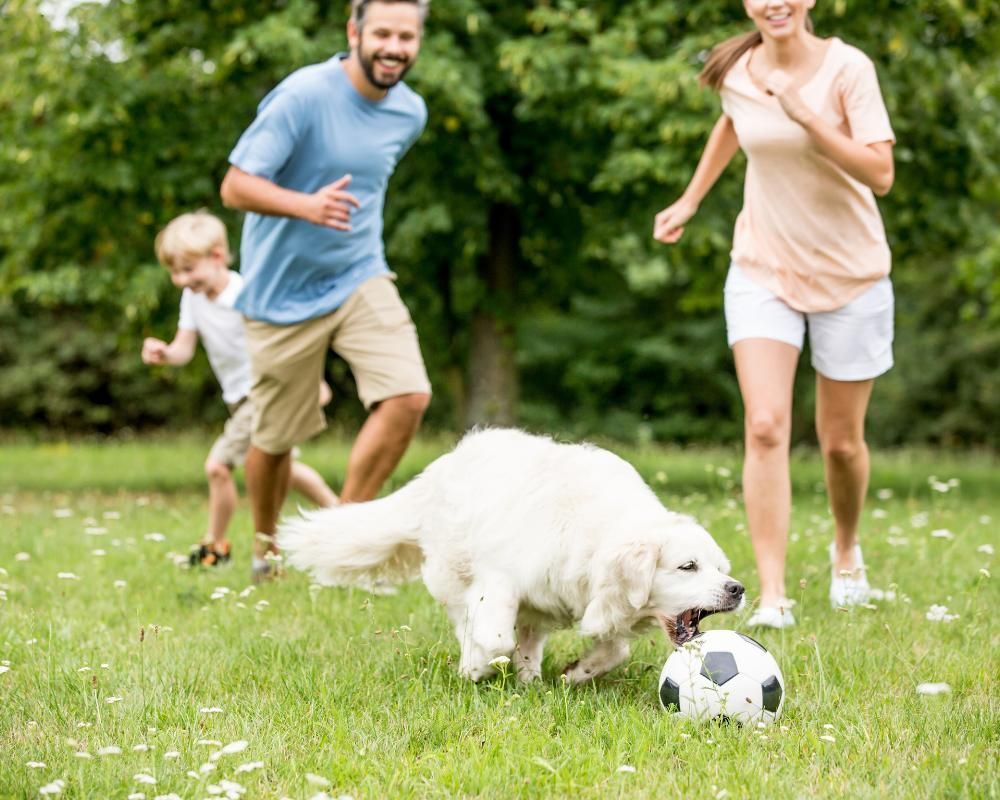
Activity should be matched to your pets’ current ability, health, age and physical condition. For older animals, gently and gradually increase walks or play time by a few minutes. Interactive toys, food puzzles and short periods of active play throughout the day are not only beneficial for your pet, they’re likely to brighten your day too.
Gradual, monitored weight loss is generally safer and makes it easier to preserve muscle while developing habits that can be maintained long term.
How Can I Manage My Pet's Weight?
Many of the same tips for helping your pet lose weight apply to maintaining your pets’ weight too.
Use a measured amount of dry kibble strategically as treats or in food puzzles throughout the day rather than allowing you r pet to graze all day. This will reduce their overall calorie intake without depriving your pet of those rewards for good behavior. If you have a pet that expects or likes high-value or high calorie treats keep those as a once a day predictable event such as a bedtime snack.
Homemade treats can give you a way to control the calories and ingredients in the treats.
For dogs, when making a frozen dog treat, using pumpkin puree with a smaller amount of peanut butter can add fiber while reducing the amount of calorie-dense peanut butter in each serving. A little unsweetened Greek yogurt on an apple slice can provide a crunchy, juicy treat.
Cats can be pickier but one option is mixing a can of tuna or salmon, in water, undrained, one egg and 2 cups of whole wheat flour into a dough and shape into small pieces before baking. You can add a little shredded carrot in place of some of the fish to add fiber and other nutrients.
Schedule a Wellness Exam for Your Pet in Lee's Summit
Excess weight can affect mobility, comfort, activity, and long-term health, making prevention and early intervention an important part of lifelong veterinary care.
If you are concerned about your dog or cat’s weight, visit
Chipman Road Animal Clinic in Lee's Summit to discuss your pet’s weight and overall health with our veterinary team.