




Cat Urinary Blockage Warning Signs Every Owner Should Know
If your furry family member is showing signs of a urinary blockage, getting them to a vet quickly for diagnostic services can be a life-saving decision. Learning what the cat urinary blockage signs are will help you recognize early if your cat is struggling and when they need immediate care. Read on to learn more and save this article for future reference.
In this post we will cover…
Urinary Blockages in Cats Can Become Emergencies Quickly
A urinary blockage in cats is anything that prevents your cat from normal urination, leading to a urine buildup in their bladder. A cat urinary blockage is especially dangerous in male cats. Male cats have a narrower urethra making them more susceptible to blockages. If your cat is repeatedly straining to urinate, or producing little to no urine, it’s essential to
quickly call your local vet for an evaluation. Being able to recognize the signs of a feline urinary blockage is important to make sure your cat gets the vital care they need; it could save their life.
Litter Box Warning Signs to Watch For
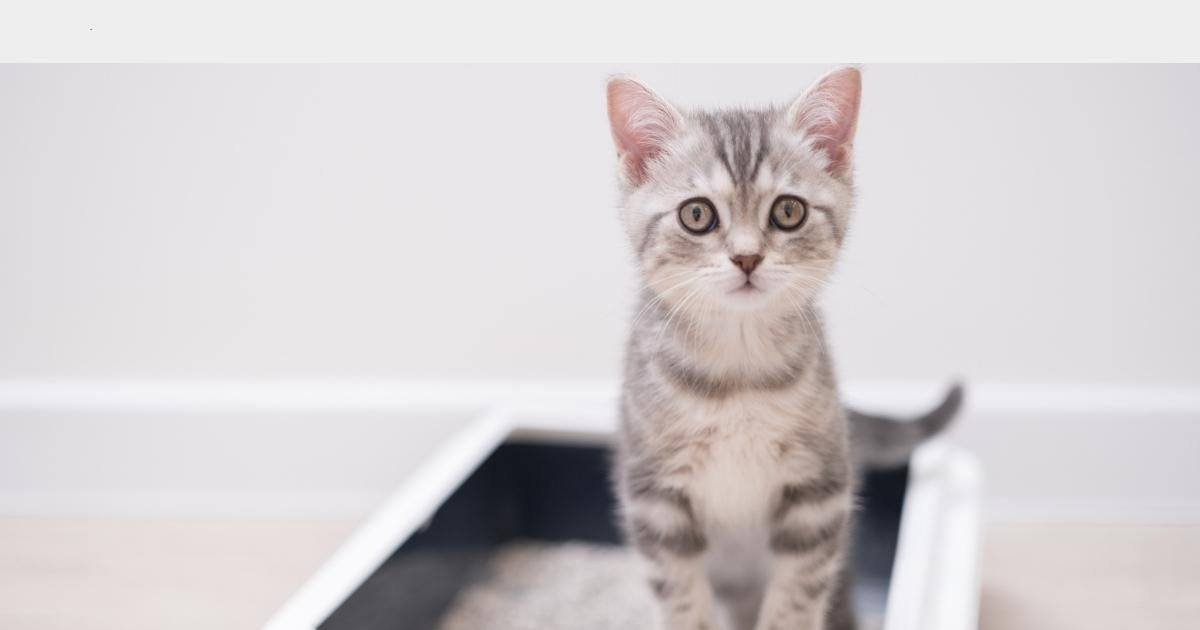
The most noticeable cat urinary blockage symptoms are connected to their litter box and urination habits. This list will help you learn how to tell if your cat has urinary blockage.
- Is your furry friend making more frequent trips to their litter box?
- Are they straining to urinate? They often crouch lower and appear to be more tense than normal.
- After they urinate, are they producing little to no urine?
- Are they crying, moaning, or yowling when trying to go, as if in pain?
- Are they urinating outside their box or in other parts of the house?
- Do they lick their genital area excessively?
Knowing these signs of urinary blockage in cats will help you recognize a potential problem and to seek veterinary care quickly.
Symptoms That Mean It May Be an Emergency
When symptoms go beyond simply your cat having difficulty peeing, it’s time to get emergency veterinarian care. Early litter box habit changes matter but there are some absolute red flag symptoms of a blockage in a cat include:
- Being completely unable to urinate, there is zero output no matter how much they strain or push.
- Lethargy is a sign that toxins have built up in their bloodstream leaving them weak.
- Vomiting is a sign they may be in the late stages of a critical emergency situation.
- If your cat is hiding, this is an instinctual reaction to severe pain.
- If their lower abdomen feels like a hard ball and they react to your touch as if in pain, this is a sign their bladder is overfilled and at risk of rupture.
- Your cat is lethargic to the point of being limp, collapsing, or near unresponsive.
Symptoms of male cat urinary blockage worsen much more quickly due to a shorter urethra. Regardless of sex, if you suspect your cat has a urinary blockage, these signs mean you need to get immediate veterinary attention, as this can be a life-threatening emergency.
Why Male Cats Are at Higher Risk
A urinary tract blockage in male cats is far more common because their urethras are narrower. This makes it far easier for mucus, inflammation, crystals, or other debris to obstruct urine flow. Other factors such as hydration, stress, diet, and health history also play an important role in their urinary health. You want to be act quickly to get your cat checked out if you suspect a urinary blockage especially if your cat has had them before and if you notice him straining to urinate. The fatality window for males can shrink to a matter of days.
Can Preventive Care Help Reduce Urinary Blockage Risk?
While routine veterinary care may not prevent every urinary blockage in cats, it can definitely help identify urinary concerns before symptoms become more dangerous and painful. Regular diagnostic services are especially beneficial for male cats or cats with a history of urinary problems.
You can support your cat’s hydration by making sure they have fresh water daily, use a pet fountain, or feed them veterinarian-recommended wet food. Other tactics that support overall urinary health are reducing stress, keeping litter boxes clean, and being sure to monitor bathroom habits. Decisions about diet or using urinary-support foods should be made under veterinary guidance.
Always remember, preventive care is not a substitute for immediate cat urinary blockage treatment by a trained veterinarian. If your cat is straining, crying, or unable to urinate and you suspect a feline urinary blockage, contact your veterinarian right away.
Don’t Ignore Urinary Changes in Cats
Recognizing early warning signs is critical to protecting your cat’s urinary health and knowing the right time to seek veterinary care. A final takeaway is remembering that changes in your cat’s litter box habits can be an early warning sign of urinary problems and should not be taken lightly. Your local veterinarian can complete a thorough evaluation to diagnose then administer the correct treatment. Without prompt veterinary care, a urinary blockage may lead to a life-threatening situation.
Chipman Road Animal Clinic has been providing Lee’s summit and the surrounding areas with expert veterinary care with over 80 years of combined experience. If your cat is displaying any of the symptoms above, straining, crying while trying to urinate, unable to pass urine, or others,
Contact us at Chipmand Road Animal Clinic where our team offers prompt, compassionate care. Walk-ins are welcome and emergencies never need an appointment.