


How to Keep House Cats Physically and Mentally Healthy
Mental and physical fitness are key to supporting indoor cat health and should begin with a Pet Wellness Exam before starting a new exercise regimen. Generally, indoor cats live longer than outdoor cats, but only when their humans provide exercise, enrichment, and daily personal interaction. Exercise, enrichment activities, mental stimulation, and routine Wellness Exams are all necessary to keep your cat happy and healthy. Care for indoor cats is more than filling their food bowl and cleaning the litter box; it includes:
Indoor Cats Thrive with Structured Activity and Mental Stimulation

Indoor kitties need ways to engage their curiosity, move, and play. Physical activity strengthens their muscles, maintains body weight, and supports joint health as they age. An active lifestyle protects cats from obesity, diabetes, and arthritis. Let them climb, chase toys, and have fun play time with you.
Cats are instinctively driven to hunt and problem-solve. You can provide the mental stimulation indoor cats crave with enrichment activities, puzzle toys, and one-on-one interaction. Enrichment activities will keep your cat from boredom-related behaviors such as over-grooming, vocalizing at night, or those infamous late “zoomies”. Proactive pet parents raise indoor cats that live long, happy, and healthy lives.
Exercise for Indoor Cats — Making Movement Fun
It’s important to provide cat workout programs for indoor cats who can’t roam, hunt, or climb as they naturally would outdoors. You’ll instantly know how to exercise your cat when you pick up interactive toys that will encourage jumping and chasing as you play with them. Cats will have a blast with laser pointers (used responsibly), but to avoid frustration, end the play session with a treat or toy that they can tangibly catch. It only takes about 5–10 minutes of engaging playtime several times a day to support cats' fitness. Short sessions will simulate their hunting instincts better than long sessions.
Climbing towers, shelves, and window perches also provides exercise for indoor cats, and as a bonus, your cat will enjoy a sense of security in its own territory.
Pay attention to how your cat is feeling during a play session. Learn how to tire out a cat safely without overdoing it. To avoid overstimulation, watch for panting, aggressive tail twitching, or becoming rough during play. Stop playing before your cat is exhausted, and they’ll look forward to the next playtime.
Mental Stimulation for Cats at Home
Mental stimulation for cats keeps your intelligent and curious pet from becoming bored or stressed. Regular stimulation for cats will support emotional well-being and reduce unwanted behaviors caused by frustration or boredom. Pick up some puzzle feeders or food-dispensing toys to encourage problem-solving skills. Keep kitties engaged by rotating their toys every few days.
Let your cats enjoy birds, squirrels, and other outside critters from a window perch. You could even place a bird feeder outside the window for hours of entertainment. Your window would convert to a “cat TV” this way.
There are plenty of cat enrichment DIY ideas you could come up with. Try cardboard boxes, paper bags, homemade obstacle courses, hiding treats like Easter eggs around the house, or anything that encourages exploration and curiosity.
Daily Play & Engagement — Even When You’re Busy
With thoughtful intention, you’ll be able to find fun ways to play with your cat, even when busy, by catching a quick free moment of your day. Establish predictable play routines; just 10 minutes of your time can engage your cat and create a bond. Short, focused attention springing from their natural inclination to chase, stalk, or pounce will do the trick.
Cats come with hairballs - Want to know why and what to do about it? Read more here:
Cat Hairballs: What They Are, Why They Happen, and How to Help
Consider how to keep your cat entertained while at work or away for extended periods. Purchase automatic toys, timed feeders, or rotating enrichment activities that will keep your cat engaged throughout the day.
Scratching posts, climbing trees, window perches, and interactive treat toys are solo activities that will help your pet stay engaged and emotionally balanced when you’re away for a long time.
How Much Exercise Does an Indoor Cat Really Need?
The right amount of exercise your indoor cat needs depends on its age, breed, weight, personality, and health status.
Kittens are balls of energy and need frequent bursts of high-energy play.
Senior cats appreciate low-impact, gentle forms of interactive play.
Overweight cats require gradually increased amounts of energy with veterinary guidance.
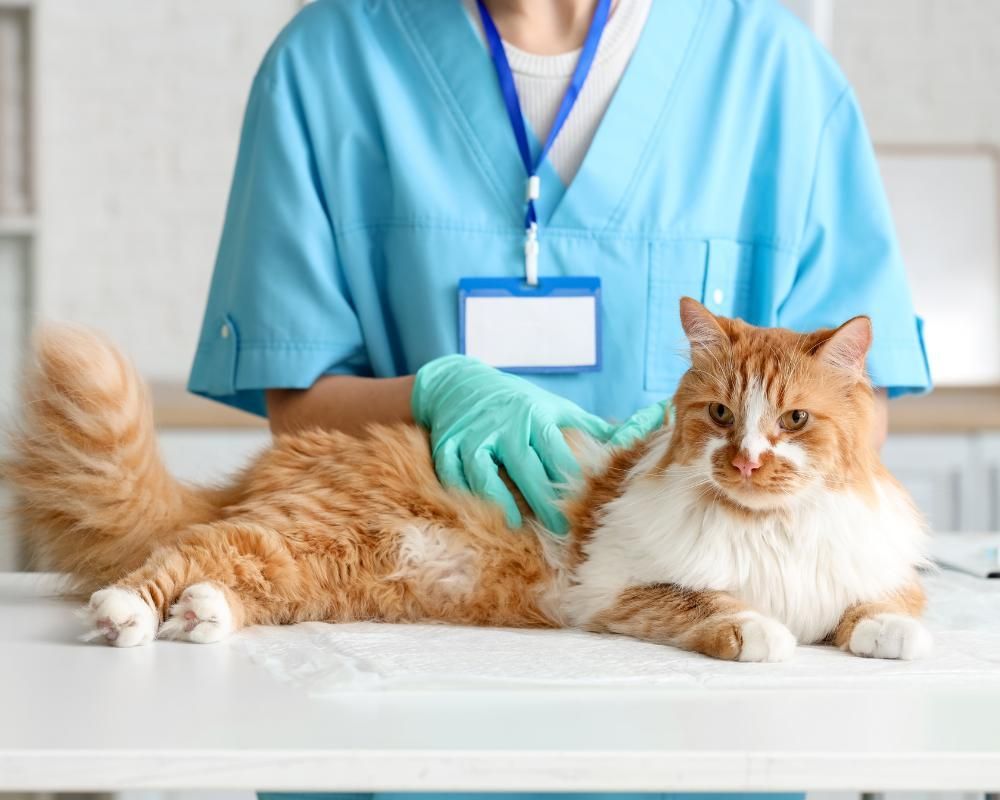
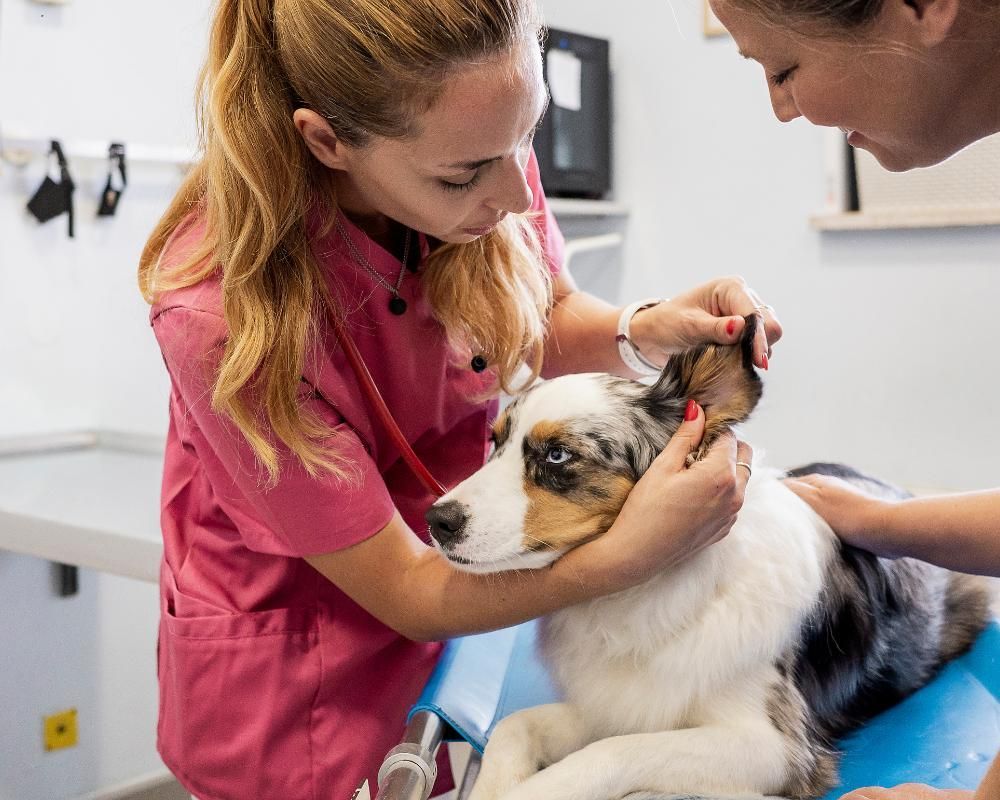
Every cat is different. Pet Wellness Exams will identify the right amount of exercise your indoor cat needs to support its long-term health.
Healthy Cats Need More Than Food and a Litter Box
A cat’s well-being is influenced by the environment, exercise opportunities, mental stimulations, social interactions, and the preventive veterinary care they receive.
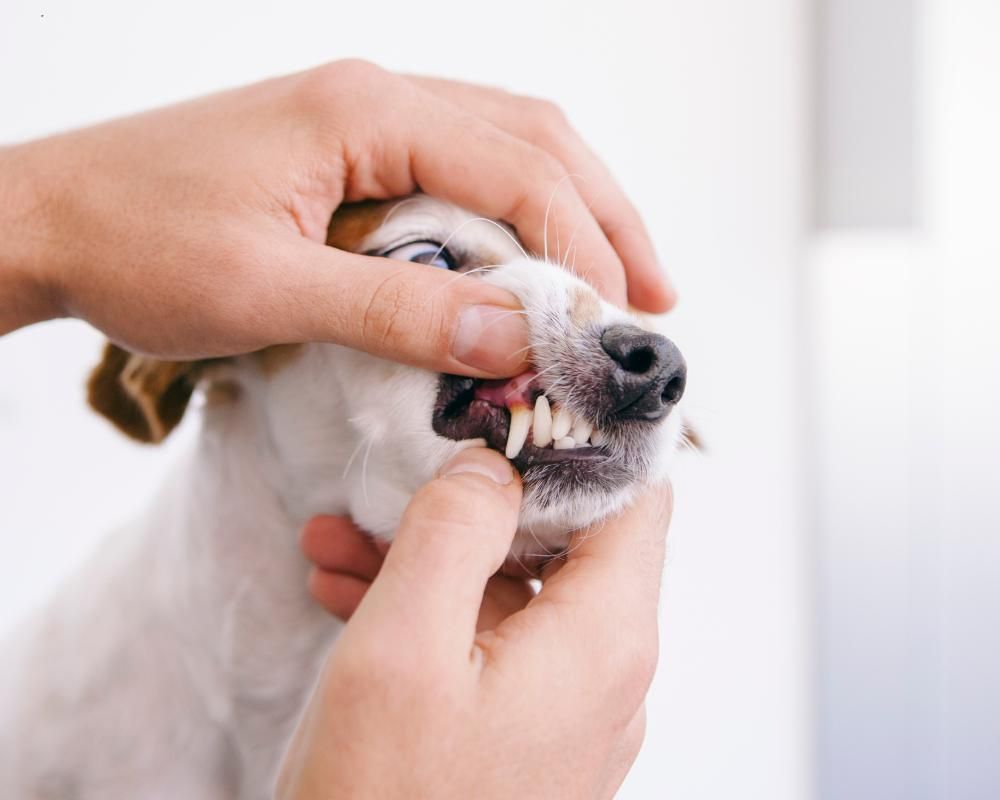
Interactive playtime, climbing space, puzzle toys, and predictable routines are little efforts that provide big health rewards. Regular Wellness Exams are an essential part of maintaining your cat’s health throughout its life. Your veterinarian will monitor weight management, dental health, joint function, as well as early signs of illness, and tailor a wellness plan to your cat’s unique needs.
If you’d like professional support for keeping your cat active, healthy, and thriving indoors, the team at Chipman Road Animal Clinic is here to help. You can walk-in at any time during business hours for your cat’s next Wellness Exam today and support a happier, healthier life for your indoor cat.