





Common Litter Box Problems in Cats and What They Mean
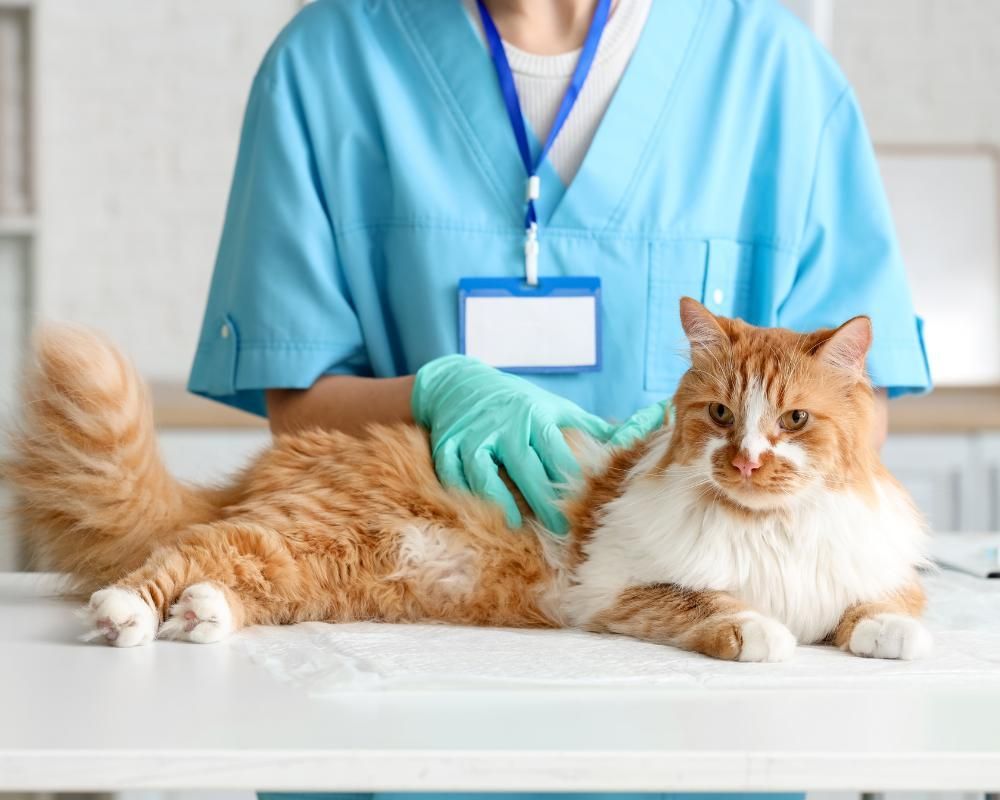
If you’ve owned a cat before, you know litter box problems are one of the most frustrating and sometimes baffling issues cat owners can face so it’s important to troubleshoot some basics before taking your cat in for a Wellness Exam, Litter box avoidance or changes to litter box habits rarely happen without a reason. In many cases, cats are trying to communicate that something is wrong, whether it's related to their health, stress levels, environment, or normal feline behavior. We are going to go over information about litter box habits, some ways to troubleshoot the problem and signs that your cat needs urgent care.
• Health reasons that can cause litter box issues.
• Stress, territory, and urine marking
• Litter box setup for success
•
How can you tell the difference between spraying and litter box avoidance?
Litter Box Problems Usually Mean Your Cat Is Trying to Tell You Something

While cats are notoriously independent, they are also fastidious and clean. Cats rarely stop using the litter box “just because.” When cat litter box issues appear suddenly they are usually the only language your cat has to express that something has changed in their environment or health.
What is often considered as cat behavior problems stem from discomfort or illness, or stress, anxiety, or territorial concerns. Cat’s can be sensitive to minor adjustments to daily routines, changes in household members or introduction of unfamiliar animals can impact cat behavior lead to accidents outside the box.
While it’s frustrating for you, understand your cat may not be able to control the behavior so rather than punishing your cat, focus on identifying the underlying cause. By understanding the root cause you can work forward to solve the litter box issues and bring harmony back to feline and home.
Medical Issues That Can Cause Litter Box Avoidance
The question "why is my cat not using the litter box?" usually come sup for cat owners at some point. Looking into medical causes is a good place to start. If you cat stopped using the litter box it may be due to pain or discomfort from bladder issues, or digestive problems. Constipation and digestive discomfort may also make bathroom visits difficult. If your cat is experiencing pain during visits to the litter box they begin to avoid it entirely, leading to further discomfort and inevitably, a mess you’ll have to clean up.
Any sudden change in elimination habits should lead to a conversation with your veterinarian. Early evaluation can help identify health concerns before they become more serious.
Stress, Territory, and Urine Marking
Just like stress and emotional upset can cause us stomach issues, they can also significantly influence feline bathroom behavior. From smaller changes to things like work schedules or new cats in the neighborhood to larger ones, introducing a new pet or family member and moving can make cats feel unsettled and anxious.
This may trigger a territorial response or feline urine marking even if they’ve never done so before. Territorial marking commonly occurs when a cat feels threatened or uncertain about changes in its environment. Beyond any possible medical conditions, cat spraying and cat urine marking are forms of communication, not acts of revenge or disobedience. When cats spray urine, they are often attempting to establish a sense of security by indicating ownership of territory.
Litter Box Setup Problems Owners Often Miss
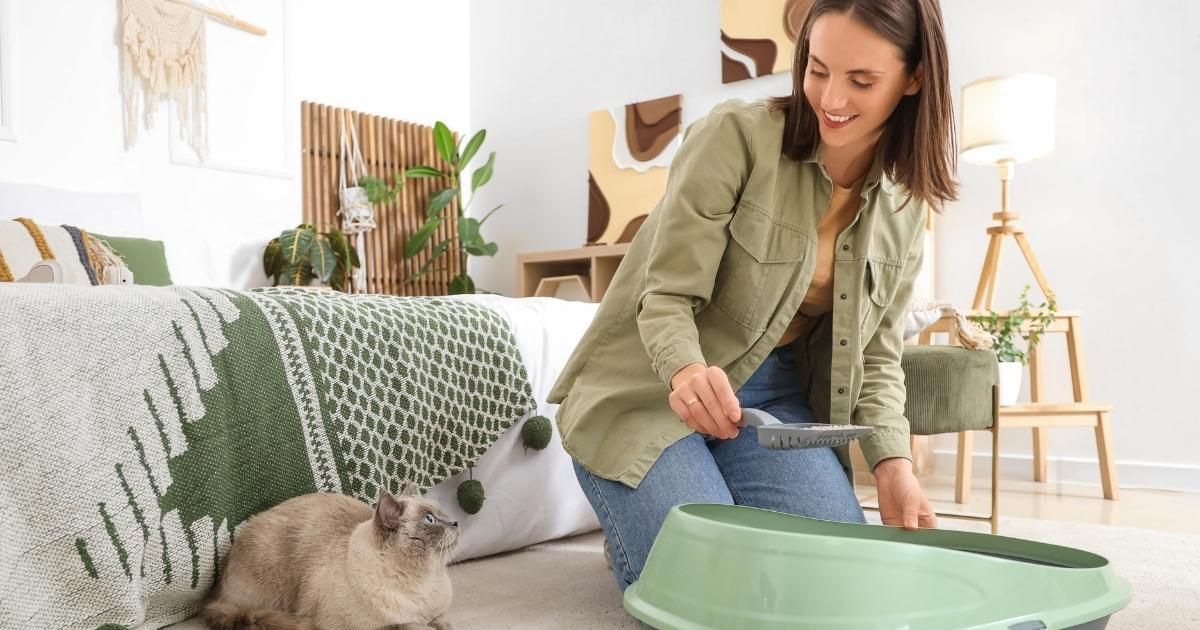
We all have our preferences when it comes to comfort, cats are no different. Let’s look at some of the variables that may be causing your cat to not like their litter box setup.
First and foremost, cats are very picky about their own cleanliness. A litter box that isn’t regularly scooped as well as being completely emptied and washed once in a while can quickly become unacceptable based on cleanliness alone.
But there are other factors that cats consider when inspecting and using a litter box.
The box: Some cats like absolute privacy and prefer a covered litter box with a flap, others like the cover but won’t go through the flap. If your cat is older or has mobility issues, access may be a problem due to high sides. Make sure your litter box gives your cat room to turn around inside comfortable, especially in covered ones.
The Litter: Cats can be sensitive to smells and fragrances so may avoid strong fragrances. Cat’s also have texture preferences, sandier textures may work for some and encourage covering behaviors, others may do fine with a slightly coarser grit.
The Location: As the saying goes, location, locations, location. Litter box placement is a contentious thing, no one wants one under the coffee table but your cat also isn’t going to enjoy a noisy laundry room either. If you’ve recently moved the litter box and suddenly had to ask "why won't my cat use the litter box," evaluating the setup is an excellent place to start.
Multi-cat households require additional consideration to avoid competition and stress. A helpful guideline is one litter box per cat, plus one extra.
How Can You Tell the Difference Between Spraying and Litter Box Avoidance?
They are two different behaviors, spraying or marking is usually done with a small amount of urine done to vertical surfaces such as walls and furniture to mark territory. This behavior is often associated with stress, territory, or household changes.
Litter box avoidance is a more regular daily amounts of urine or stool deposited on surfaces like rugs, floors, bedding, or clothing, often in out of the way corners or under furniture, inside closets. In these situations, medical discomfort, litter preferences, or box setup concerns may be more likely explanations.
If you're asking, "why does my cat pee outside the litter box," tracking patterns can help determine whether the behavior resembles marking or avoidance.
These notes and any other behavioral symptoms you notice can help your veterinarian have a fuller picture when it comes to diagnosing a problem. Sudden changes should always be discussed during
Wellness Exams to ensure underlying health concerns are not overlooked.
Changes In Litter Box Habits Should Not Be Punished Or Ignored
There are many things that can impact your cats comfort with their litter box and cause litter box issues including health concerns, emotional stress, territorial behavior, and setup problems.
Whether it’s discomfort caused by medical issues, cat spraying, feline urine marking, or simple litter box preferences, identifying the reason behind the behavior is essential for finding a solution.
If your cat suddenly stops using the litter box or begins displaying other behavioral changes, scheduling Wellness Exams can help uncover potential medical concerns and provide peace of mind.
At Chipman Road Animal Clinic, our team is here to help you understand your cat's behavior and support their long-term health.
Contact us today or visit us for a walk-in wellness exam and receive expert guidance on preventive care and behavioral concerns.