




Why is Your Cat Peeing Outside The Litter Box? Possible Reasons & What To Do About Them
Whether your adopting a new kitten or an older cat, talk with your vet during their
first wellness exam about litter box set up and any concerns you may have. Cat's are amazing, they are low maintenance and can clean themselves, but are still loveable and loyal. A major benefit that comes with cat ownership: they don’t need to be taken outside to relieve themselves. Cat litter box training is relatively easy and most cats take to it within the first few weeks of their lives. What happens when your cat stops using the litter box? The smell of cat urine is notorious for lingering long after it’s been cleaned and no one wants to live with a cat peeing all over the house. At least 10% of all cats will develop issues with their litter box. It is best to address this problem as soon as possible so they don’t develop a preference of peeing in your living room as opposed to their litter box.
Medical vs Behavioral Reasons for Cats Peeing Outside the Litter Box
There are several reasons that can lead to a cat peeing outside the litter box. The most important thing to remember is that cat behavior problems are not an intentional, aggressive act on the part of your cat. He isn’t being malicious and disciplinary acts will not stop a cat from peeing everywhere. In fact, in several cases, they will only make the problem worse and may even lead to your cat urinating in house constantly.
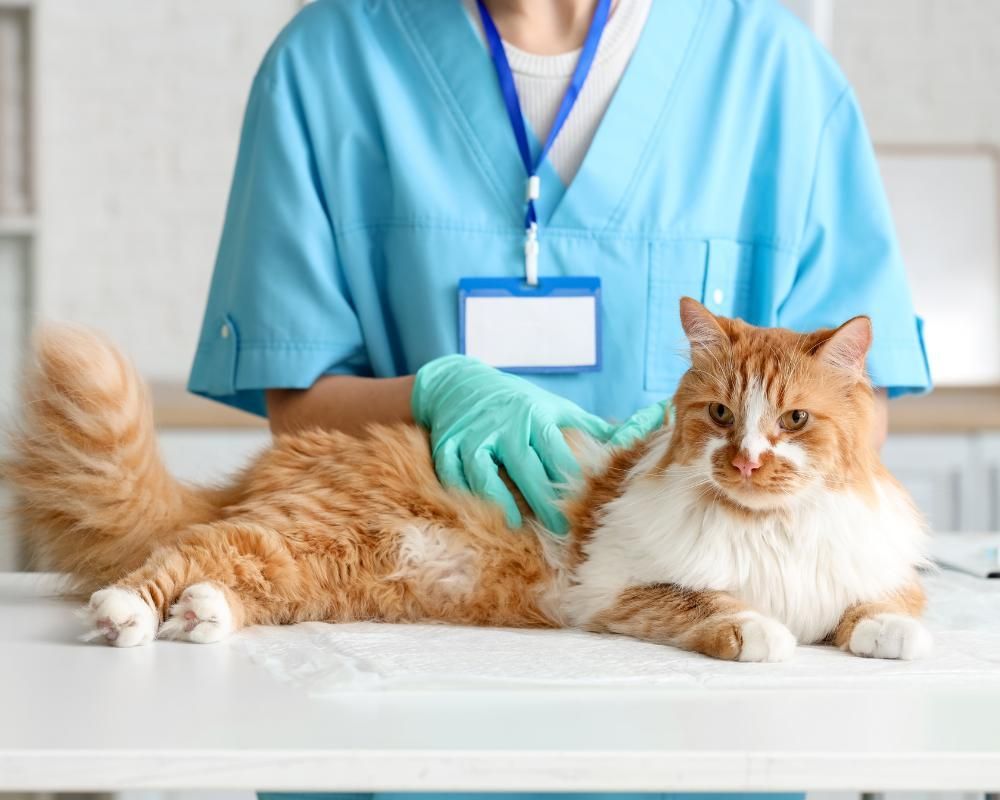
If your cat is peeing everywhere except his litter box it could be a sign of medical issues that need to be addressed or simply a behavioral reaction to a stressful situation. If you are worried that a cat UTI (urinary tract infection) or another medical issue is to blame for your cat’s refusal to use the litter box, you should take him in to see the vet right away. The staff at Chipman Road Animal Clinic excels at diagnosing feline urinary tract infections and other medical conditions, and can help you determine whether the problem is medical or behavioral.
In this post we'll clover:
Behavioral Reasons for Peeing Outside the Litter Box
If your cat is not using his litter box, and you’ve ruled out a medical condition like a cat urinary tract infection, it may be the result of a behavioral problem. A few reasons that your cat may stop using his litter box suddenly include:
- Life changes. Cats are creatures of habit and generally do not handle drastic changes well. If your cat is suddenly peeing everywhere, it is very likely he feels stressed, anxious or potentially threatened. These feelings can be triggered by several factors including having a baby, getting a new pet, or moving. Even decorating for the holidays can trigger stress in some cats, leading to a cat peeing everywhere but the litter box.
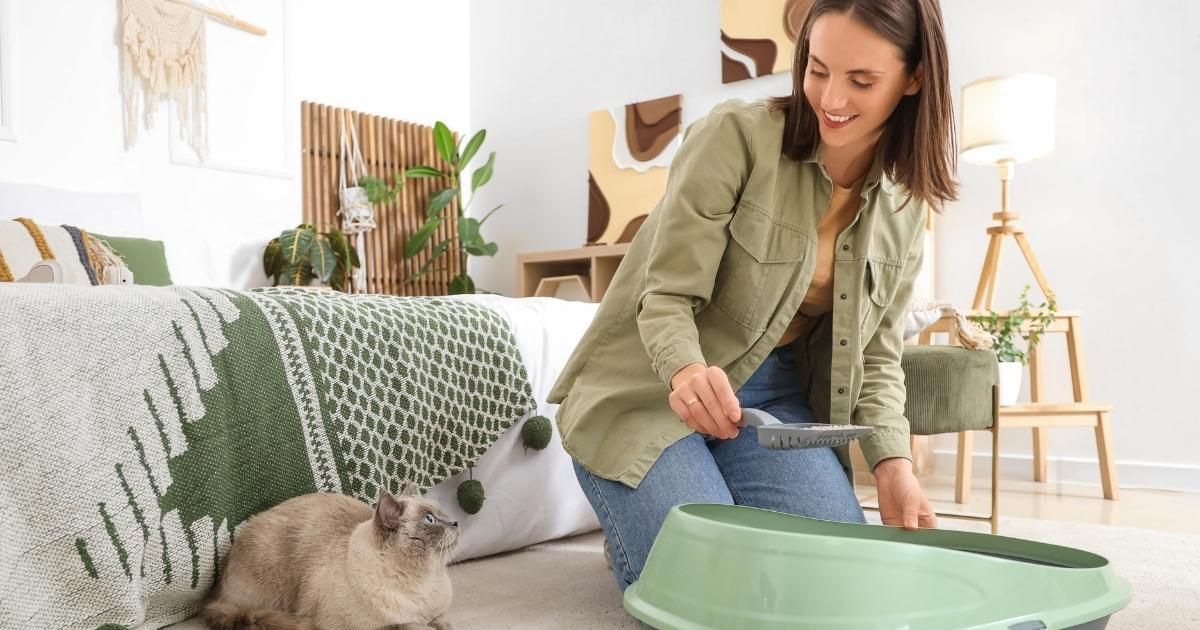
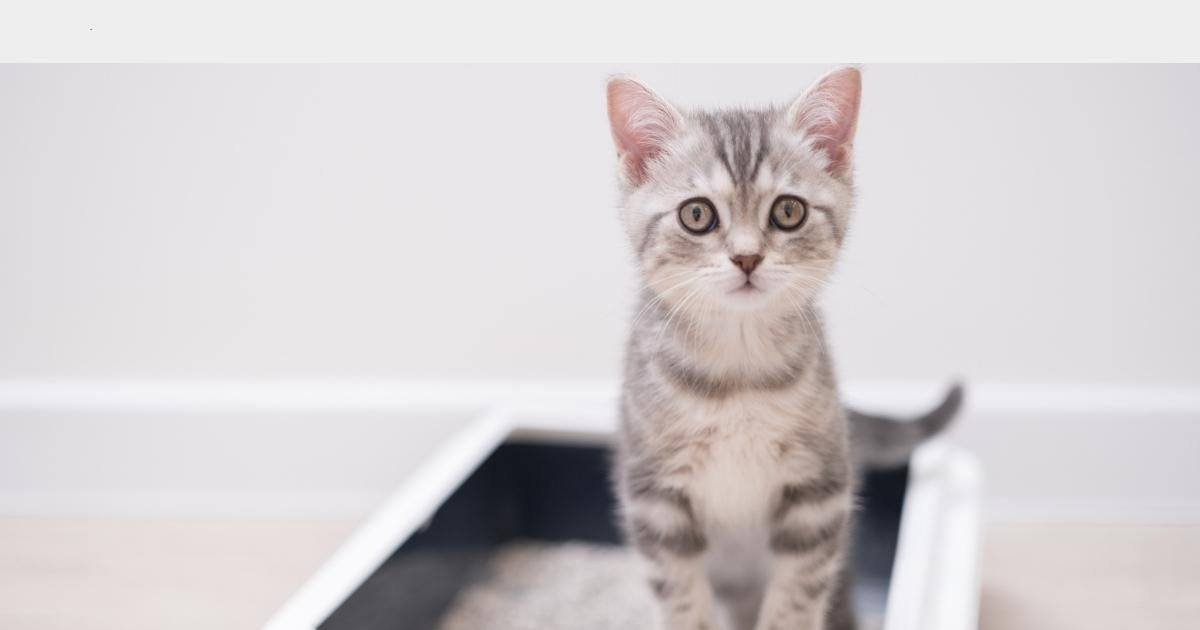
- Litter box issues. Have you checked out your cat’s litter box recently? Often times, litter box issues are to blame for a cat’s sudden refusal to use one. It is important to make sure your litter box is in an accessible space and that the box itself is easy to get in and out of. This is especially important if you have an elderly cat urinating in the house. If your litter box has a top entry or high sides, it may be too difficult for your cat to access it anymore.
- Litter preference. Did you recently change the type of litter you use? Many cats are very particular about the type of litter used and they can often be put off by overly scented litter or litter that is too coarse. A good rule of thumb is to use the same litter over the course of your cat’s lifespan. If you think litter type is to blame you can always provide your cat a side-by-side comparison to find a type of litter he does prefer.
- Litter box cleanliness. It is critical that your cat’s litter box is being cleaned regularly and that there are enough in your house, especially if you recently brought home another cat to join the family. A good rule of thumb is one litter box per cat, plus one extra.
- Declawed cat. While it is not a common practice and not recommended, occasionally a cat will be declawed. If that happens, it can make normal activities extremely painful. This includes using the litter box, since a declawed cat may not want to scratch at litter due to his sensitive paws. If you are looking for a less painful litter option for a declawed cat, soft paper litter or aspen/pine wood shavings are excellent choices.
- Not neutered/spayed.
Kittens that haven’t been neutered or spayed yet tend to exhibit more behavioral problems, including not using a litter box regularly. If your kitten falls under this category, call Chipman Road Animal Clinic to discuss your options.
Medical Reasons For Peeing Outside the Litter Box
If your cat is not showing any behavioral reason for his sudden refusal to use the litter box, a medical reason may be the culprit. An easy way to check is to keep him in a clean room with a clean litter box. If he is still peeing outside his litter box, you can generally rule out cat behavior problems. Medical reasons can range from mild to severe so it is always best to bring your cat in for a wellness check as soon as you suspect something is wrong with his health.
- Cat UTI. Feline urinary tract infections are not common; however the likelihood rises if you have an older, female cat or a cat with diabetes. Urinary tract infections occur when bacteria finds a way into the bladder through the urethra. Additional signs of a cat uti may include straining to urinate or finding blood in your cat’s urine. A cat uti is not life-threatening, but can lead to additional bladder problems if left untreated. If you notice any of these signs or suspect a cat urinary tract infection, come into Chipman Road Animal Clinic as soon as possible. It is best not to attempt cat urinary tract infection treatment on your own.
- Feline interstitial cystitis. Feline interstitial cystitis is a neurological disorder that affects your cat’s bladder function and creates an inflamed bladder. If your cat is straining to urinate, licking himself where he pees or you find blood in his urine, it is best to take him to the vet right away.
- Bladder stones. If you suspect bladder stones are the culprit for your cat peeing outside litter box, it may also seem as if he is in pain when he tries to urinate and his belly may seem tender to the touch. Bladder stones can lead to more serious issues so it is best to let Chipman Road Animal Clinic to have your cat’s bladder stones addressed.
- Diabetes. One sign of diabetes in cats is similar to a symptom in humans, frequent urination. If your cat is dealing with undiagnosed diabetes, he may not be able to make it to his litter box every time. Diabetes is completely manageable in cats but should be diagnosed as soon as possible.
- Hyperthyroidism. When a cat’s thyroid is not functioning properly it can create feelings of extreme thirst that leads to excessive urination. Contact Chipman Road Animal Clinic if suspect your cat’s thyroid is why your cat is peeing all over the house.
Let’s Get to the Bottom of the Problem Together
Whether the cause of your cat peeing outside the litter box is due to behavior problems or medical conditions, it is never a good idea to self-diagnose your cat. If you are dealing with a cat peeing everywhere the best course of action is to call
Chipman Road Animal Clinic.