
Chronic Kidney Disease in Cats: Early Symptoms and Treatment Options
Chronic kidney disease (CKD) is one of the most common conditions diagnosed in senior cats and diagnostics are one of the most valuable tools for identifying kidney disease in cats before irreversible damage significantly affects your pet's health., While CKD is more common in older cats, it can also develop in younger cats due to injury, infection, genetics, or other underlying illnesses.
As with many chronic illnesses, many cat kidney disease symptoms develop slowly as kidneys gradually lose function. Small changes in drinking, urination, appetite, or weight can often be overlooked allowing damage to slowly accumulate.
At Chipman Road Animal Clinic, our Diagnostic Services help identify kidney problems in cats through routine wellness screenings and diagnostic testing, allowing treatment to begin earlier and giving cats the best opportunity to maintain a comfortable, active quality of life.
In this post, we'll cover:
• Early signs of kidney disease in cats.
• Diagnostic testing helps identify issues early.
• Treatment options for kidney disease in cats
•
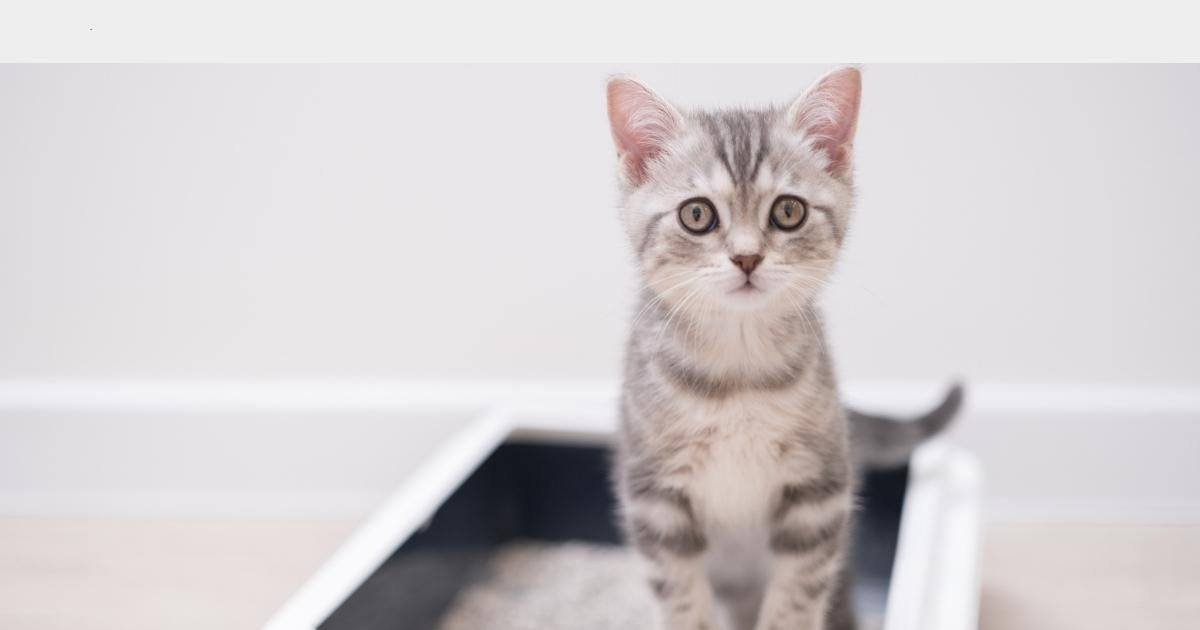
Is my cat having litter box issues, spraying or kidney disease?
What Are the Early Symptoms of Chronic Kidney Disease in Cats?

Whether it’s in humans or felines, kidneys are one of the most hardworking organs in our bodies and it continues to function even after significant damage has occurred. That means symptoms are often mild and overlooked until it becomes urgent.
Early kidney disease in cats symptoms commonly include:
• Increased thirst
• Increased urination
• Larger clumps in the litter box
• Gradual weight loss
• Reduced appetite
• Lower activity levels
• Mild dehydration
While aging naturally changes a cat's activity level, excessive drinking, unexplained weight loss, or noticeable appetite changes are medical concerns that warrant evaluation.
The sooner these changes are investigated, the more treatment options are typically available.
Common Signs of Kidney Disease in Cats
As kidney function continues to decline, additional clinical signs often develop. Some appear gradually, while others become noticeable over a relatively short period.
Common signs of kidney disease in cats include:
• Drinking excessive amounts of water
• Frequent urination
• Vomiting
• Poor appetite
• Weight loss
• Muscle loss
• Dehydration
• Poor coat quality
• Bad breath
• Weakness or lethargy
Cats are naturally inscrutable and hide illness which can make spotting signs more difficult. If you notice changes to your cats behavior, don’t assume it’s aging, changes to appetite or activity in cats should be brought up to your veterinarian promptly.
How Diagnostic Services Help Detect Kidney Problems
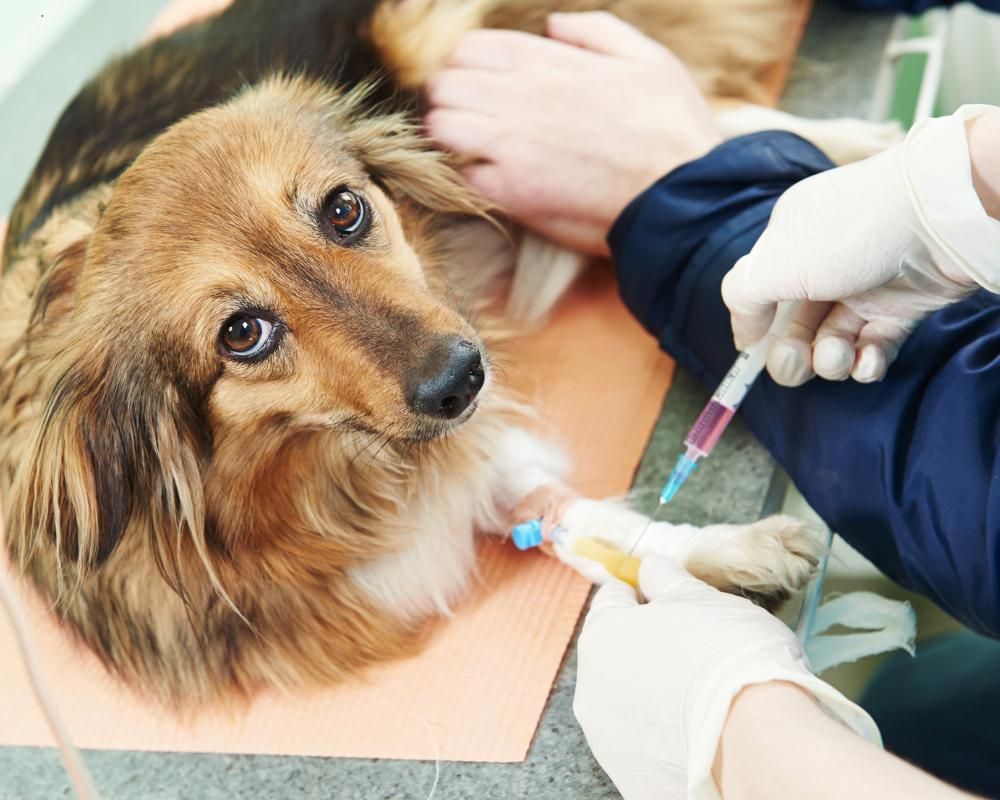
Cat kidney disease symptoms can be subtle and the same symptoms can apply to several diagnosis which is why diagnostic testing is the only way to accurately test for feline kidney disease. Regular wellness exams can spot early warning signs and is one of the most effective ways to identify kidney problems in cats before severe damage can occur, making treatment more beneficial.
At Chipman Road Animal Clinic, Diagnostic Services may include:
• Comprehensive blood chemistry testing
• Complete blood count (CBC)
• Urinalysis
• Urine specific gravity testing
• SDMA evaluation (kidney function test)
• Blood pressure monitoring
• Diagnostic imaging when indicated
The kidneys filter out waste products which can impact several bodily functions which is why we test several things to accurately evaluate if the kidneys are functioning optimally and if there has been any impact to other areas of the body. Blood pressure monitoring is equally important because hypertension commonly develops alongside cat kidney disease and may accelerate kidney damage.
Treatment Options for Managing Feline Kidney Disease
Once feline kidney disease has begun, there is no cure but early diagnosis can significantly slow disease progression and improve quality of life. Depending on when the disease is discovered treatment can include:
• Prescription kidney-support diets
• Increased hydration through canned diets or fluid therapy
• Medications to control nausea and improve appetite
• Blood pressure medications when necessary
• Phosphorus management
• Ongoing laboratory monitoring
Chronic kidney disease in cats is a common diagnosis and treatment options are tailored to meet your felines needs at the time of diagnosis based on age, health and progression.
Treatment can improve your cats overall mood, energy and comfort and most cats with chronic kidney disease live full and happy lives while undergoing treatment.
Is My Cat Spraying or Having Litter Box Issues Due to a Medical Problem?
The litter box is a battleground for humans and cats alike and it can be easy to assume litter box issues are behavioral or territorial but they can actually be an early signal of illness.
Cat’s marking their territory usually spray small amounts of urine on vertical surfaces like walls, corners, furniture, as a form of communication. But cats experiencing kidney disease, urinary tract infections, diabetes or bladder inflammation often take in large amounts of fluids which may lead to accidents outside of the litter box due to an increased need to urinate. Aging cats may also have other complications such as mobility issues that combined with feline kidney disease may cause your cat to have accidents near their litter box.
Veterinary evaluation can determine whether the cause is medical and whether additional testing is needed to treat kidney disease in cats or another underlying condition.
Schedule Diagnostic Services for Kidney Disease Screening in Lee's Summit
Recognizing kidney disease in cats symptoms early gives your veterinarian the best opportunity to begin treatment before kidney function declines further. Increased thirst, larger urine clumps, weight loss, vomiting, appetite changes, and reduced energy should never be ignored, especially in senior cats.
At Chipman Road Animal Clinic, we can diagnose kidney disease in cats, monitor disease progression, and guide personalized treatment plans that support long-term health and comfort.
If you've noticed cat kidney disease symptoms or other changes in your cat's health, visit Chipman Road Animal Clinic for walk-in veterinary care. We are conveniently located in Lee's Summit and enjoy caring for our furry friends in and around the surrounding communities with experienced diagnostics, compassionate care, and ongoing support for every stage of life.