



Understanding Senior Dog Behavior: What to Expect
May 23, 2024
As our canine companions age, their behavior undergoes noticeable changes. Knowing what to expect from an aging dog and recognizing these shifts is crucial if we want to provide our furry friends the optimal
senior dog care
they deserve. In this article, we’ll let you in on what kinds of senior dog behavior changes are most encountered as they approach their golden years and ensure you can navigate aging dog behavior with confidence and compassion.
Recognizing the Signs of Aging in Dogs
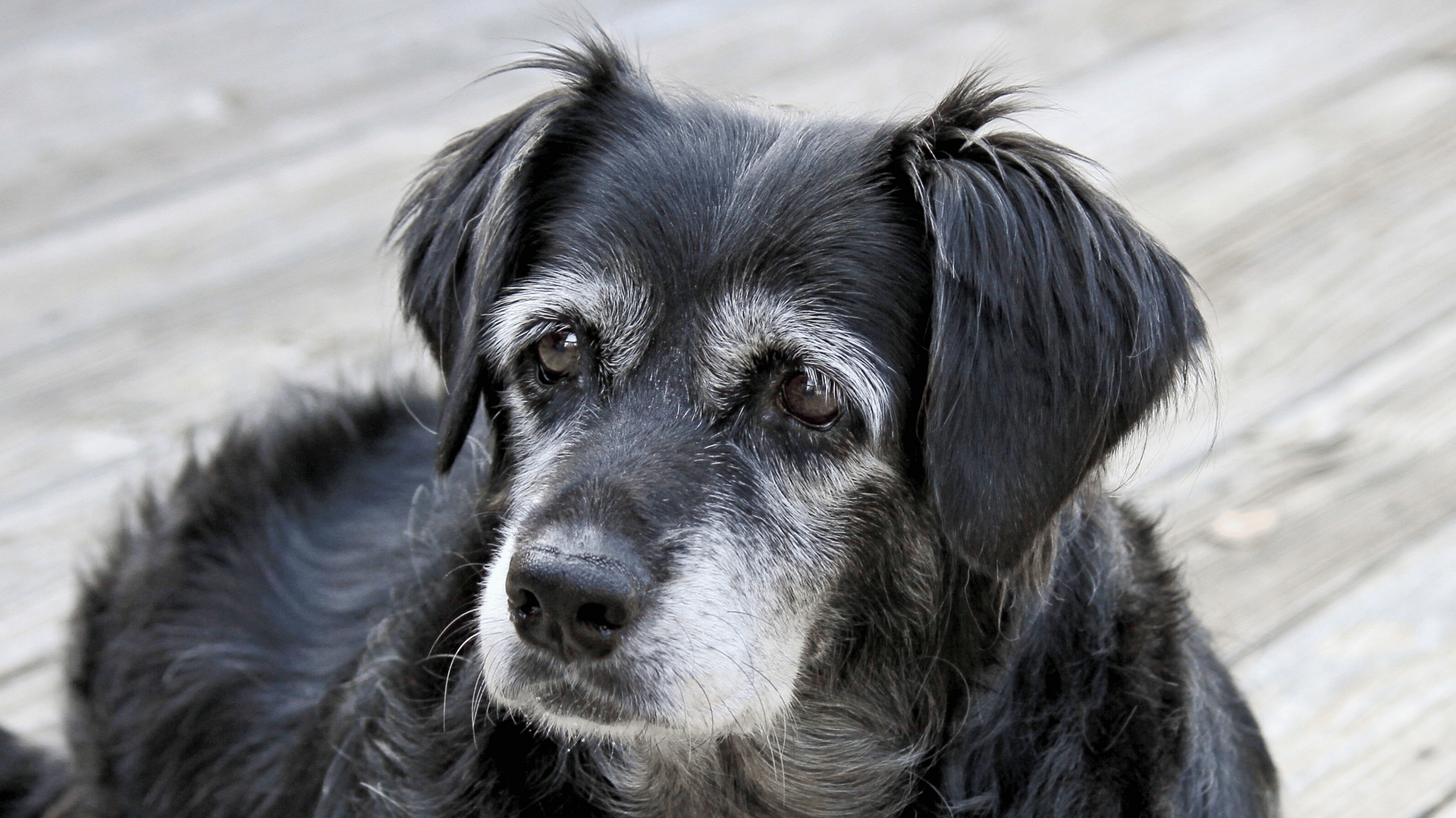
Don’t worry, if you’re wondering what age a dog is considered senior, you’re far from alone, and there’s no one-size-fits-all answer! But the American Animal Hospital Association (AAHA) came pretty close to making it that easy on us when they published a revised set of Canine Life Stage Guidelines in 2019, which lays out all the signs of old age in dogs, pointing out the importance of supporting “individualized recommendations which promote healthy longevity throughout a dog’s different life stages.” This way, we have a better idea of what to expect when we start noticing those sudden behavior changes in older dogs and how to care for them, as they need us to pay closer attention to red flags.
It can be confusing and overwhelming to know what to expect with an aging dog. But fear not! With the right tools, you’ve got this. These helpful links will have you confidently tackling the next stage of elderly dog behavior like a pro! Check out the latest credible materials and access the informative resources AAHA has to offer senior dog owners. Not only will they familiarize you with the stages a dog’s life consists of, but this wealth of knowledge can also assist you as you navigate through each one. Full of tips and practices, all based on expert veterinary recommendations, we outline specific behavior changes in older dogs to watch for as they develop and fill you in on what you can do to make sure your doggo moves gracefully through every one of them!
It can be confusing and overwhelming to know what to expect with an aging dog. But fear not! With the right tools, you’ve got this. These helpful links will have you confidently tackling the next stage of elderly dog behavior like a pro! Check out the latest credible materials and access the informative resources AAHA has to offer senior dog owners. Not only will they familiarize you with the stages a dog’s life consists of, but this wealth of knowledge can also assist you as you navigate through each one. Full of tips and practices, all based on expert veterinary recommendations, we outline specific behavior changes in older dogs to watch for as they develop and fill you in on what you can do to make sure your doggo moves gracefully through every one of them!
Common Behavior Changes in Senior Dogs
Signs of old age in dogs are often exhibited in a range of behavior changes, so if your pup’s getting up there, staying informed about behavior awareness may just have to jump up in priority! You may notice an increase in aging dog anxiety levels, or a slowed once-vibrant energy capacity, both of which can signal the onset of senior years. Your dog acting confused may manifest in forgetfulness or disorientation, while an old dog’s habits or routine might suddenly switch gears, due to declining sensory perception or health issues. Understanding these shifts enables proactive care, tailored to their evolving needs.
Here's a more detailed list of possible things to watch out for from the American Veterinary Medical Foundation (AVMA) who specifies common senior dog behavior changes when cognitive dysfunction may be a contributing factor to dog personality changes:
Here's a more detailed list of possible things to watch out for from the American Veterinary Medical Foundation (AVMA) who specifies common senior dog behavior changes when cognitive dysfunction may be a contributing factor to dog personality changes:
- Increased reaction to strange or loud sounds
- Increased barking
- Increased aggressive/protective behavior
- Increased anxiety
- Acting disoriented or confused
- Increased wandering
- House soiling (“accidents”)
- Changes in sleep patterns
- Less interest in playing
- Repeating the same actions over and over
- Decreased response to voice commands
- Poorer memory and learning ability
If your pet is showing any of these behavior changes or other warning signs of disease, contact your local veterinarian and let them know the specific aging dog behavior changes you've seen. Sometimes, the changes may seem contradictory—such as signs of hearing loss but increased sensitivity to strange sounds.
What Age Is a Dog Considered Senior?
Determining signs of old age in dogs can vary based on several factors. When asking what age is a dog considered a senior, generally, smaller breeds tend to age slower and are considered seniors around 10-12 years old, while larger breeds may reach this stage around 6-7 years old. However, individual factors, such as genetics, health history, lifestyle, and breed, can all influence this transition. Regular veterinary checkups can help pinpoint the specific age-related needs of your furry friend, but in the meantime, try out these tools to better gauge where your pup falls in the journey!
- Canine Life Stage Calculator (AAHA) - Determine what stage of life your dog is in with this handy little tool with just a few of your pal’s particulars!
- Breed-Specific Lifespan in Dogs (Institute of Canine Biology)
- This table illustrates the average life expectancy of dogs according to their individual breed, and also reviews average longevity based on age and body weight. That’s right—a dog’s age is about much more than just a number!
“Behavior changes in [older dogs] can be the first signs of aging. These changes might be due to discomfort or pain (as with arthritis), worsening sight or hearing, certain diseases, or just the normal aging process. A type of brain impairment called “cognitive dysfunction,” which is similar to senility in people, also may be responsible. Stimulating them through interactions can help prevent senility, keep them mentally active.” -- AVMA
Specific Behavior Changes and Their Meanings
Sudden Behavior Changes in Older Dogs
Sudden behavior changes in older dogs probably raise a red flag, and it’s one we wouldn’t recommend ignoring! Senior dog behavior changes might indicate underlying health issues, such as pain, cognitive decline, or sensory impairments, such as vision loss, or hearing loss. An older dog’s personality change could also signal emotional distress or anxiety, so it’s essential to monitor these changes closely and consult with a veterinarian promptly about what to expect with an aging dog. Visiting the vet is crucial if the sudden behavior changes persist, or are accompanied by other concerning symptoms, like lethargy, loss of appetite, or aggression. Chipman Road Animal Clinic specializes in pinpointing the root causes behind alternating patterns of behavior, and we’re passionate about ensuring your senior dog is happy and comfortable!
Understanding Aging Dog Anxiety
One of the common signs of old age in dogs is a spike in anxiety, and there are certain factors that determine whether your dog will experience it. Physical discomfort caused by age-related conditions, such as arthritis, or a decline in sensory awareness levels, such as vision and/or hearing loss, can result in aging dog anxiety levels. Changes in their environment, routine, or family dynamics can also trigger anxiety in older dogs. Cognitive decline and neurological changes may also spike the nervousness of senior dog behavior. To alleviate aging dog anxiety, provide a stable and predictable atmosphere, maintain a consistent daily schedule, offer comfort and reassurance, and consider veterinary guidance for behavioral interventions, or even medication, if necessary, when anxiety becomes extreme.
How to Support Your Aging Dog Through Behavior Changes
Adjusting Your Home for an Elderly Dog
Elderly dog behavior can mean moving around a little slower, which means making some adjustments to make each movement a little comfier and also diminishing any aging dog anxiety your senior sidekick may be experiencing! Ultimately, making your home more senior-dog-friendly can significantly improve your furry companion’s quality of life.
Consider the following:
Consider the following:
- Install ramps or steps to help them navigate stairs more comfortably.
- Provide supportive bedding with extra cushioning, to relieve pressure on achy joints.
- Remove obstacles and hazards to prevent accidents and falls.
- Ensure easy access to food, water, and bathroom areas.
- Adjust the lighting to aid their vision, especially in dimly lit areas.
When to Seek Help: Behavior Changes That Need Attention
While some senior dog behavior changes are just natural signs of old age in dogs, others may signal underlying health issues, or require professional intervention. Normal behavior changes in older dogs include mild decreases in activity levels, minor changes in appetite, and occasional forgetfulness. However, elderly dog behavior changes such as sudden aggression, excessive lethargy, persistent anxiety, drastic changes in appetite or water intake, and disorientation, such as your dog acting confused, warrant prompt veterinary attention. Regular communication with your veterinarian ensures early detection and proper management of age-related issues.
Frequently Asked Questions About Senior Dog Behavior
Your Senior Dog’s Behavior May Change... But Their Love for You Won't
As our beloved companions age, their behavior undergoes noticeable shifts, from decreased activity levels to increased anxiety. Understanding these changes is vital for providing optimal care and companionship. Remember, patience and compassion are key as your dog navigates their golden years. While their needs may evolve, their love for you remains unwavering. For personalized advice and support, tailored to your senior dog’s needs, consult with the experts at
Chipman Road Animal Clinic
. Together, we can ensure your furry friend enjoys a happy and comfortable life throughout their senior years!

Learn common cat urinary blockage signs, why male cats are at higher risk, and when difficulty peeing becomes a veterinary emergency.

Learn common parasites in pets’ symptoms, including fleas, ticks, worms, giardia, and coccidia, plus when to schedule a vet visit.
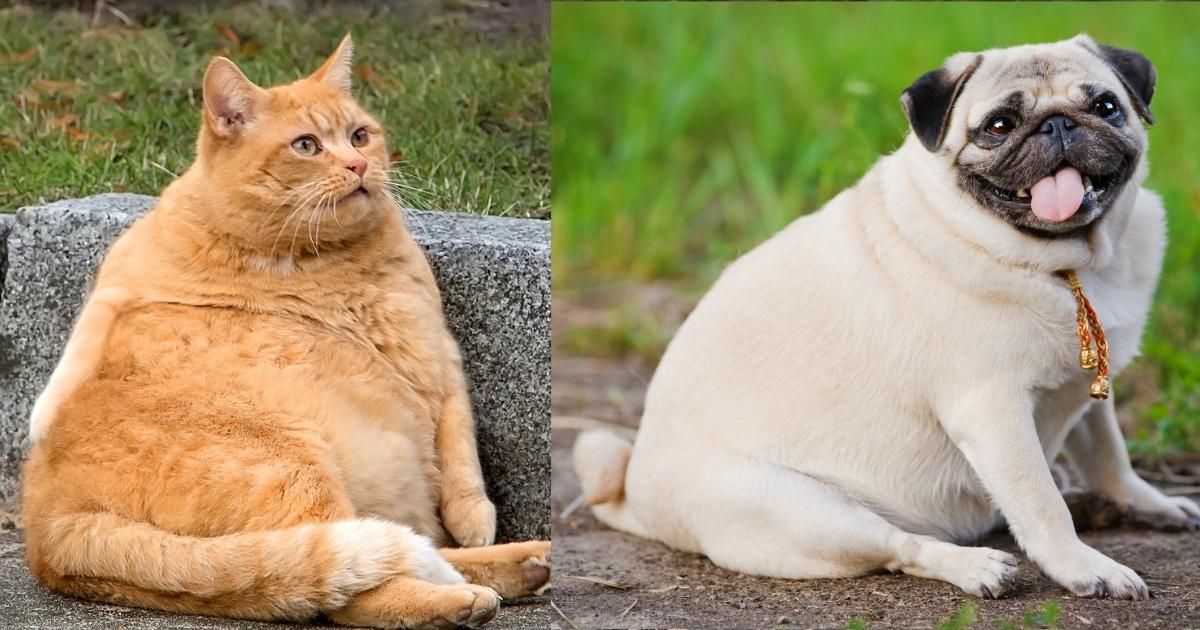
Learn pet obesity health risks, prevention tips, and how Wellness Exams can help your dog or cat reach a healthier weight safely. Read more today

Learn chronic kidney disease in cats symptoms, treatment options, and when Diagnostic Services can help. Read tips from our veterinary team today.

Is your cat not using the litter box? Learn common causes of litter box problems in cats and when behavior changes may signal a health concern.

Keep your indoor cat healthy with exercise, enrichment, and routine care. Learn simple ways to support physical and mental stimulation at home.

Cats often hide illness. Learn subtle signs of illness in cats, early sick cat symptoms, and when to schedule a veterinary visit.

Wondering what a dog seizure looks like? Learn common signs, possible causes, and what to do if your dog experiences seizure-like symptoms.

Do dental chews really replace cleanings? We’re busting common pet dental myths and explaining what truly helps your dog’s teeth stay healthy long-term.

Cold weather can make arthritis tougher on senior dogs. Learn how to spot signs of joint pain and what you can do to support your dog’s mobility and comfort.