Learn About Kennel Cough Symptoms, Treatment & Prevention
Going on vacation is something we all look forward to, but what to do with your four legged friends while you’re away can be a little tricky. You can leave your dog with friends/family, you can hire an in home pet sitter, or you can take your dog to a pet boarding kennel. While there are many benefits of taking your dog to a kennel while you’re away, the risk of your pet getting sick can be much higher – especially in high travel seasons.
Vacation Pet Boarding

Many of us will need to board our dogs at a kennel or doggy day care for some period of time and this raises our dogs’ risk of contracting kennel cough. Boarding your dog at a reputable business is a great option, especially if you are going to be gone for more than a couple days. You can take comfort in knowing your dog won’t be alone and will get some quality exercise and puppy socialization to boot. Boarding your dog isn’t risk-free though, and one source of worry when you leave your dog is that he will contract kennel cough while you are gone.
What is Kennel Cough?
Canine infectious tracheobronchitis is an upper respiratory infection that is highly contagious, but rarely fatal. It can quickly spread to other animals through close contact and is has a characteristic hacking, almost honking, cough, hence its more common name, kennel cough. There are two main strains of kennel cough. The most common is typically only spread during the fall and presents with less serious symptoms. There is a more serious form of kennel cough that is less common, but generally occurs in combination with other viruses and can be contracted any time of the year.
This strain typically affects dogs that have not been vaccinated and can result in more severe symptoms. Kennel cough in dogs is very similar to the influenza virus in humans. There are recommended vaccines but there are multiple strain variations, so even dogs that have received the kennel cough vaccine can still contract the virus. In most cases, kennel cough in dogs will clear up on its own within three to six weeks. If your dog is showing signs of kennel cough it's important to visit your vet right away.
The Symptoms Of Kennel Cough
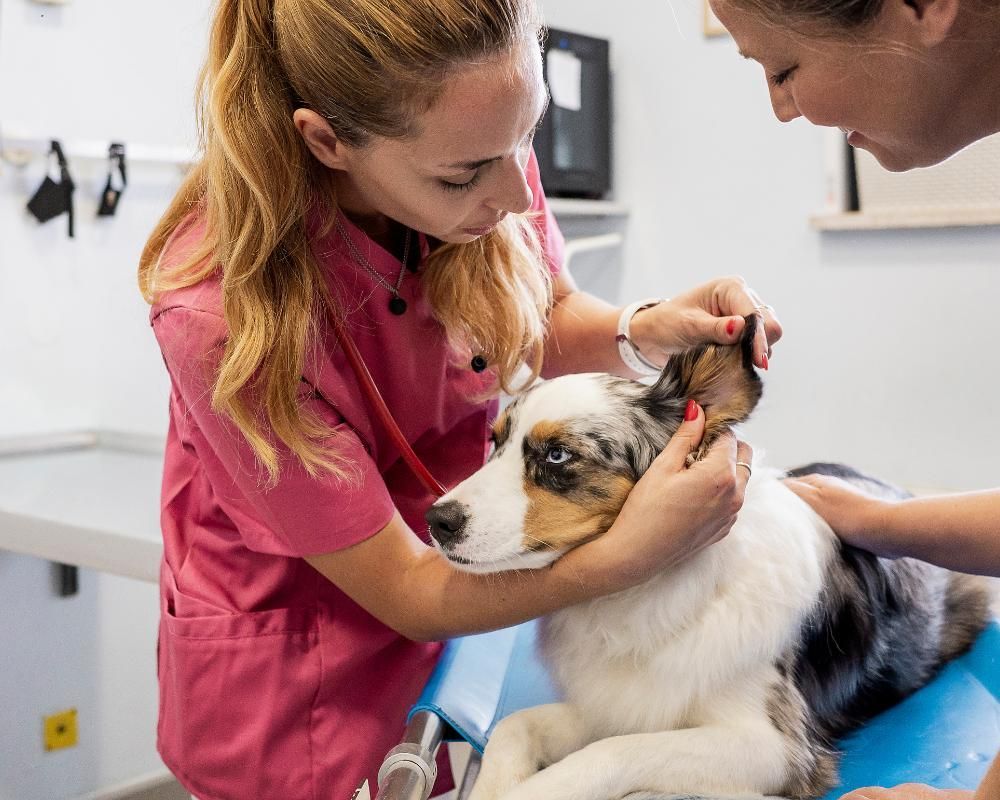
Canine kennel cough is quite common. Most dogs will contract kennel cough at least once in their lifetime. If you notice your dog coughing and gagging, it is possible he may have contracted kennel cough, but you should bring him in to see your vet to make sure he isn’t suffering from something more serious. The kennel cough incubation period is around five to seven days, so your dog may not show symptoms of kennel cough until he has been back home for a week. The most common signs of kennel cough are a dry cough similar to a goose honking, sneezing or snorting, and in some cases vomiting or gagging when light pressure is put on the throat. Some more severe cases of kennel cough may also present with a fever.
If your dog develops a fever, loses his appetite or shows signs of lethargy, he needs medical attention right away. These symptoms are a sign of more severe problems. In rare cases kennel cough can lead to pneumonia in older or unvaccinated dogs, so if symptoms persist you should see the vetas soon as possible.
How do you treat Kennel Cough?
Treatment for kennel cough in dogs can be done at home in most cases. Because it is so highly contagious, it is best to isolate your dog for about two weeks if you have other pets at home, to make sure the virus doesn’t spread. To help your dog restrain themselves and take it easy on his throat use a harness or a halter instead of a leash when you go on walks. Your vet may prescribe a cough suppressant to aid your dog in his recovery and if your specific case of kennel cough is accompanied by another infection, your dog will most likely be prescribed antibiotics to make sure his health doesn’t get worse.
If you are looking for a kennel cough treatment at home, raw honey can provide some relief for your dog’s hacking cough. If your dog develops a fever or loses his appetite or his condition appears to worsen, bring your dog into your vet or an emergency vet clinic as soon as possible because this can be a sign of pneumonia or a more severe infection.
What To Look for In A boarding Facility
Boarding your dog is a big decision, whether it's for one night or two weeks. Start with a tour, paying attention to cleanliness and safety measures.
Key things to look into:
Reputation & Certifications
Read reviews, talk to previous or existing clients. Trust referrals from friends or family as a good starting spot.
Staff & Accommodations
Staff experience and staff-to-dog ratio will ensure your dog gets equal care and is properly supervised whether it's in the play yard or in their individual kennel. Kennels should be comfortable and temperature controlled. There should be a schedule for feeding, bathroom breaks and exercise to keep your pup engaged and stimulated during their stay.
Cleanliness & Hygiene:
Boarding facilities that clean regularly, sanitize play areas and communal toys, especially those that also offer doggy-daycare, can help reduce the risk of exposure to common and shared illnesses among dogs.
Safety
Safety measures such as securely locking gates, multi-port access points that can help corral a high-spirited dog trying to lead a merry game of chase, secure medication and food storage, vaccination requirements and emergency procedures clearly in place indicate well-trained staff who are going to provide excellent care for your beloved pet. This includes access to emergency veterinary care and plans for situations requiring evacuation of pets in case of fire or weather.
Come in for a bordatella vaccine today!
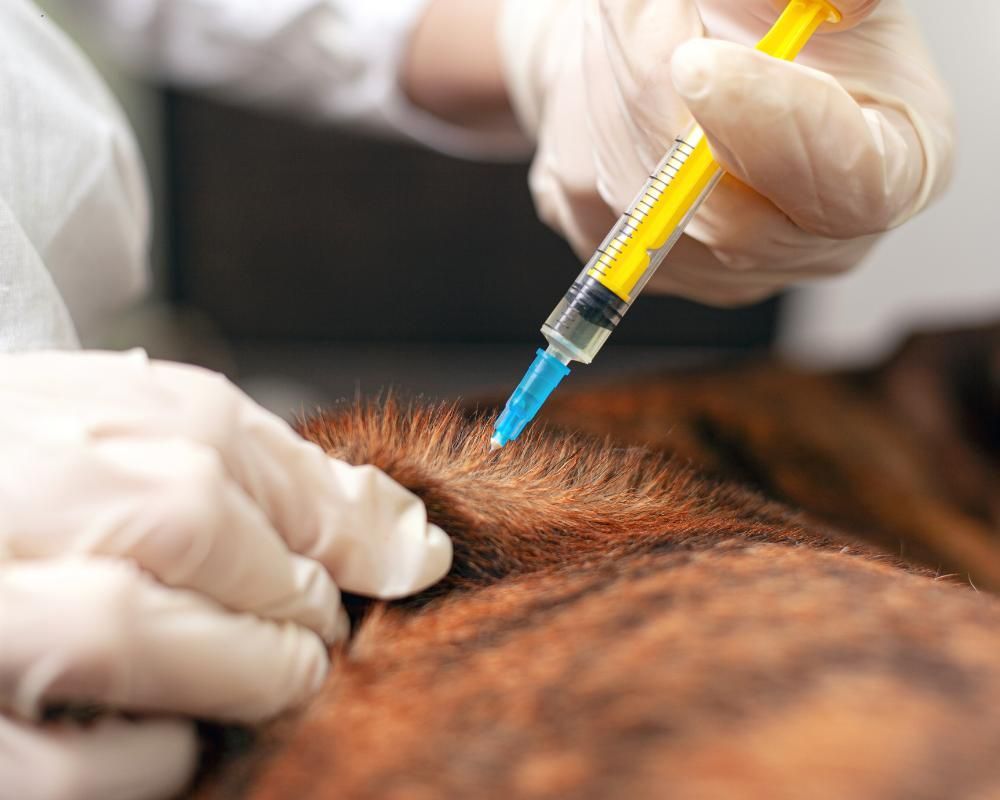
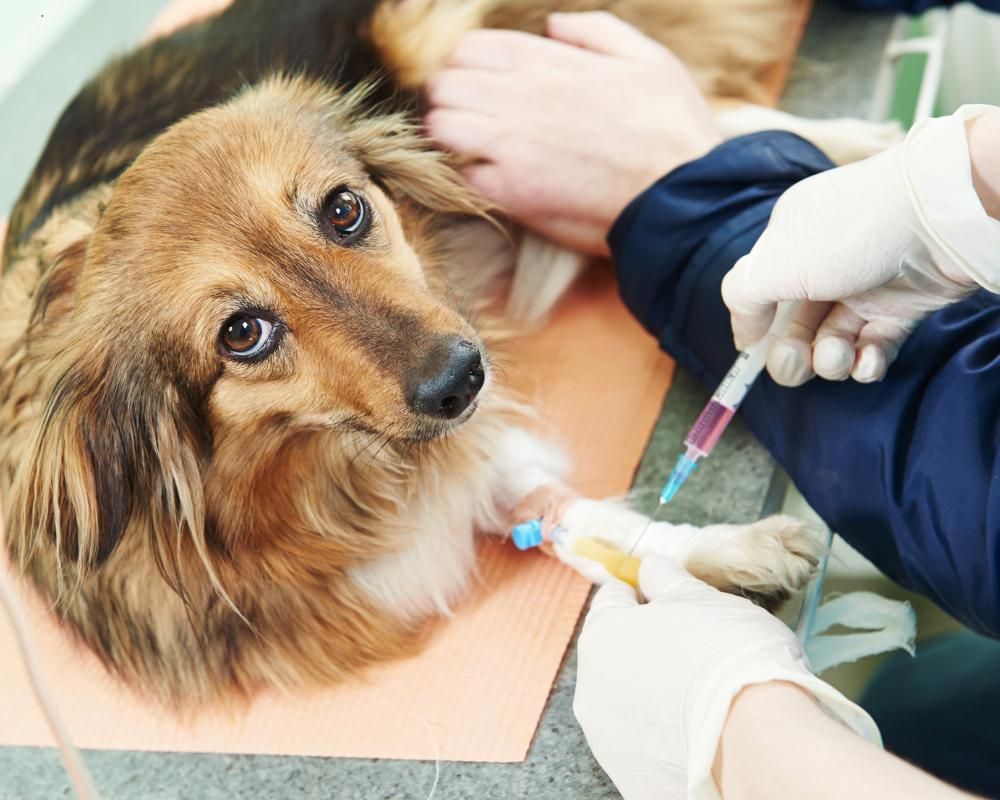
Vaccination is key in preventing kennel cough, especially kennel cough in puppies. Even though there are many different variations, it is still beneficial for your dog to receive the kennel cough vaccine at least once a year, just like it is recommended that you get a flu shot every year. The vaccination can be administered through a shot orally, or with a nasal spray.
If you do suspect your dog has kennel cough, the sooner you can take action and keep them away from other animals the better. This will help prevent the spread of kennel cough among your other animals. The most important thing to remember is that if caught early and treated appropriately, kennel cough is not serious and in most cases will clear up on its own. If you do return from your holiday travels to your puppy coughing, stop by to see your vet at Chipman Road Animal Clinic and we will make sure it doesn’t develop into something more serious.