



Why Dogs Need Heartworm Medicine: Causes, Symptoms, and Prevention
Most dog owners know about heartworm. You know the name of the disease and that it’s critical to prevent it for your dog’s good health. But generally, most people don’t know much about what it actually is and why heartworm meds for dogs is so important for prevention. Your first thought may simply be wondering “how do dogs get heartworms?” especially when your furry friend spends most of its time in clean and “safe” spaces – your home, the backyard, your neighborhood, and well-known community areas.
It may help to learn more about heartworm disease.
In this article we’ll discuss:
What even is heartworm?

Learning what causes heartworms in dogs and its effects may give you a better understanding why preventative heartworm meds for dogs is so critical in the first place.
In a nutshell: mosquito bites. Heartworm disease is the result of getting infected with the parasite known as roundworm (Dirofilaria immitis). It spreads only through the bite of a mosquito that is already infected with the parasite. The mosquito ends up with the parasite only by biting another animal that’s been infected. After a dog has been bitten, heartworm larvae will travel throughout their body, mature, and reproduce. After six to seven months, heartworms will be fully mature with a spaghetti-like appearance, ranging in length from 4 to 12 inches long. At this point, heartworms can cause severe and sometimes permanent damage to the heart, lungs, and other organs. In extreme cases, heartworm disease can end your dog’s life.
How to Prevent Dog Heartworms
We cannot stress enough how critical prevention is for the health and safety of your dog. Treatment for heartworm disease (read more below) is long and stressful on your dog, not to mention emotionally stressful for both dogs and dog owners and can get costly.
Since it’s impossible to avoid mosquitos altogether, prevention is best handled with specific heartworm medication prescribed by your vet. There are many FDA-approved heartworm meds for dogs on the market today and all require a prescription from your local veterinarian.
- What form do heartworm medications come in? They can be a topical liquid or an oral tablet. Varying products will offer heartworm prevention only and some add protection against other parasites. It’s best to discuss with your vet which medication is right for your dog.
- How often should I give my dog heartworm medicine? Heartworm prevention products are primarily administered monthly.
- Do senior dogs need heartworm medication? Yes! Heartworm is not biased to the age of your dog. Dogs of any age are a natural host for heartworms.
What Are the Signs of Heartworm Disease?
The earliest signs are occasional and mild coughing and getting more fatigued than normal after regular physical activity. If your dog is naturally more active, excess fatigue will be more apparent. Their breathing may become more labored or abnormal. More severe symptoms can be any of the following:
- Bloating
- Sickly Looking
- Fainting
- Ongoing Dry Cough
- Loss of appetite
- Unusual Weight Loss
- Distended Chest
- Dark or Bloody Urine
- Gums Appear Pale
What To Do If Your Dog Has Heartworms - Talk To Your Vet Right Away
Prevention is the best form of treatment, but, if you find your pup in the unfortunate condition of possibly having heartworms, contact your vet immediately! Starting treatment as soon as possible will reduce the amount of damage the heartworms can inflict in your dog’s body.
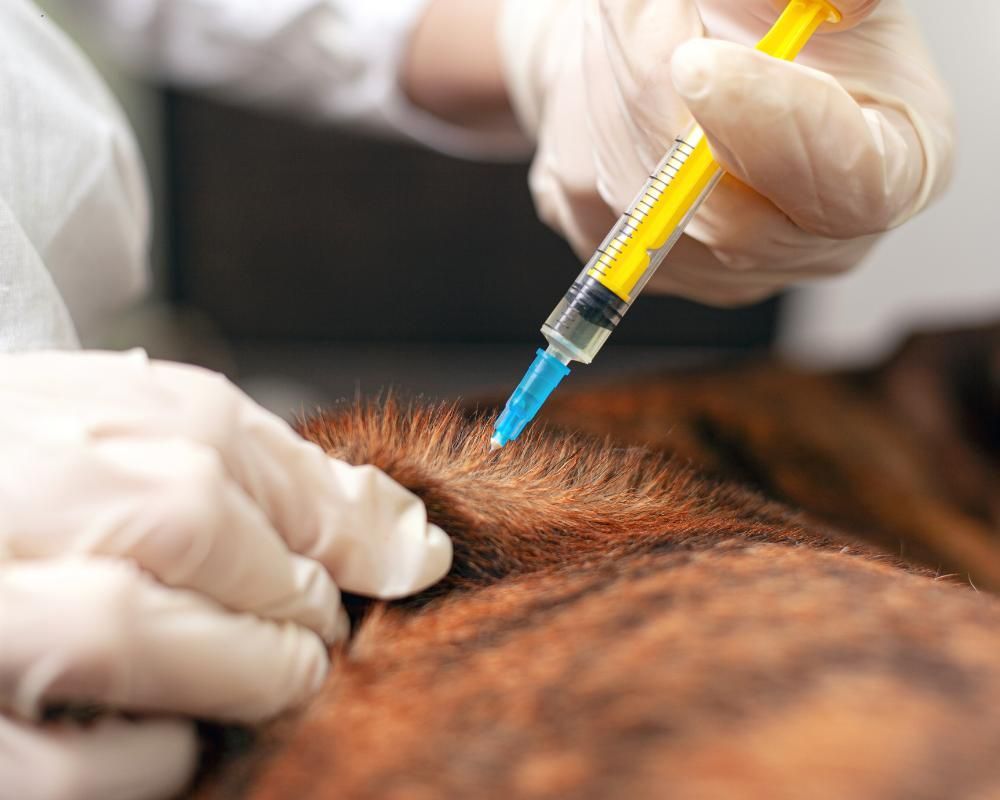
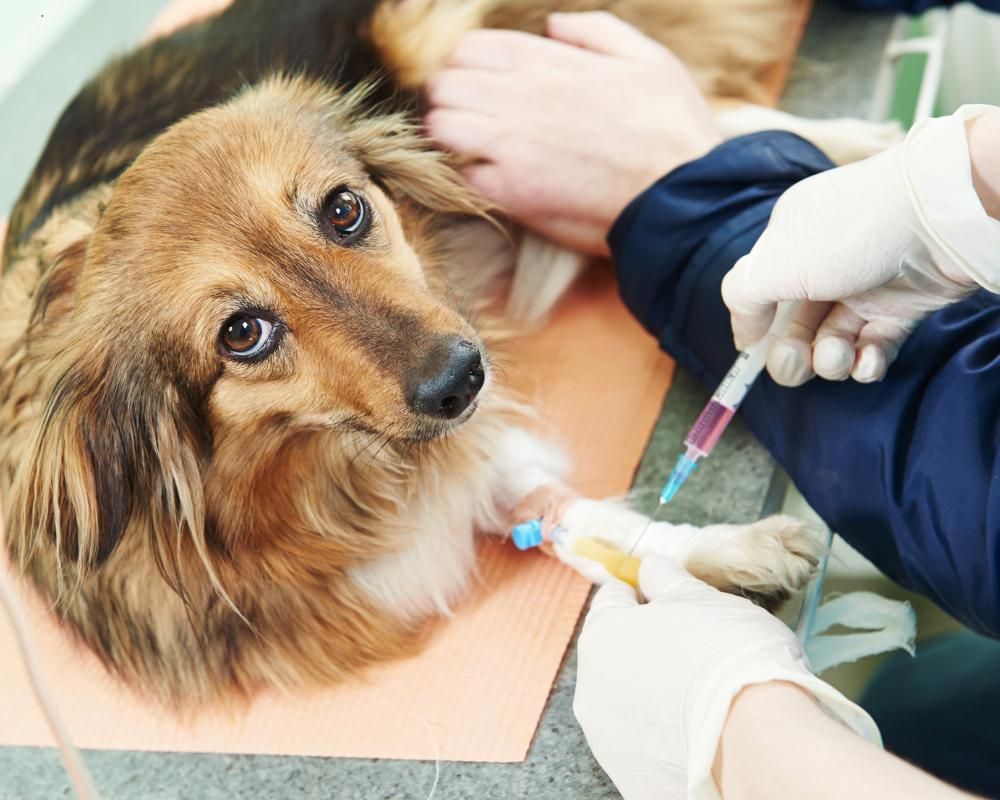
Treatment can only be administered by your veterinarian. They’ll first run a test to confirm heartworm disease. If it’s positive, your vet will administer multiple injections on separate visits to treat the disease. The treatment is effective and will kill the worms quickly. If you’re dog ends up with heartworm, this is the only treatment available to eliminate the worms. The impact of having heartworms and the difficulty, length and cost of treatment should make it clear that prevention of heartworms is much preferred to treating heartworms.
How Can I Protect My Dog From Disease?
When it comes to protecting your furry friend, prevention is better than treatment. That's why it's recommended you keep your dog up to date on vaccinations including heartworm prevention, rabies vaccines, hepatitis, parainfluenza and parvo are considered core or required vaccines for every dog.
Additional vaccines to consider are Bordetella (Kennel Cough), Lyme Disease and medications to help repel fleas and ticks that can carry most of these diseases or parasites and other pathogens.
For the Best Heartworm Prevention Advice, Give Chipman Road Animal Clinic a Call!