



How to Prepare Your Pregnant Cat to Give Birth & Kitten Care
Whether you are experienced playing nursemaid for a cat to give birth or it's you (Or your cats!) first litter, there's a lot to know about pregnant cat care, birthing process and early kitten care. Let's get prepared by going over things to expect, things to do and care information for both mother and kittens.
Prepare for the birth of kittens
Things to do after the birth of a kitten
Cat Pregnancy & What To Expect

The average feline pregnancy lasts about 8-10 weeks.
In the early stages there aren't many signs although you may notice your cat not eating as much or being picky. This is similar to morning sickness in humans. That lasts about 3 weeks before your cat moves into the 2nd stage of pregnancy, increased appetite, weight gain and seeking out quiet spots or exhibiting nesting behavior. During the final stage before labor, you might be able to see or feel kitten movement in the abdomen and more nesting behaviors.
When your cat starts showing restlessness, sticking close to their nesting spot and a lack of appetite, you can be fairly sure the cat is going to give birth in the next 48 hours, including signs like panting, increased grooming and vocalization.
Steps To Prepare For Your Cat Giving Birth
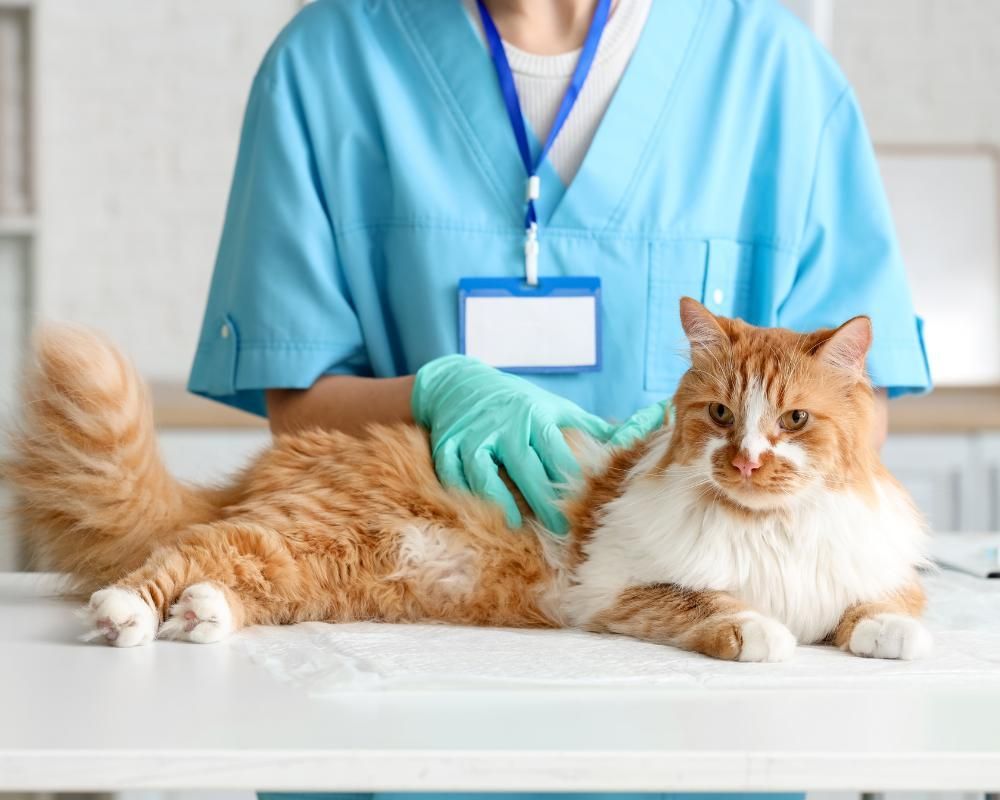
Before your cat reaches their due date, make sure your cat has been seen by a vet and is up to date on their vaccinations. Your veterinarian will advise you on how to best prepare your cat for giving birth, including safely treating worms and fleas while pregnant.
Three to four weeks before your cat delivers her kittens, she will need to eat about 25% more food while maintaining her normal feeding schedule. She will continue to need more calories until after the kittens are weaned. This is best achieved by feeding her kitten food.
She will likely be looking for the purrfect place to give birth. Prepare your cat for giving birth by providing a clean, warm and secluded place for her to deliver her kittens. Warm blankets and clean linens, which can be washed and replaced as needed, should be provided. Your cat should also have free access to fresh water before, during and after birth. Make sure her water source is safely out of reach for the kittens to avoid drowning.
What To Do As Your Cat Is Giving Birth
Keep an eye on your cat from a distance when she is about to give birth. You do not want to disturb her or make her nervous. Generally, kittens are born 5 to 30 minutes after your cat starts pushing. Usually, you will not have to intervene, but if any problems do occur, you will be there for her.
Know how to help a cat give birth by looking out for the following problems:
- When a kitten is not completely born but the mother is extremely tired. If the kitten has not completely passed within a few seconds, very gently pull it out downwards with clean hands and call the Vet for advice.
- When the mother does not bite through the umbilical cord you should step in. With clean sewing thread tie off twice starting about 3 centimeters from the kitten’s body with a space in-between and farther out tie again. Then gently tear between the two ties with very clean hands.
- When the mother does not clean a kitten you can quickly and gently clear the membranes from its head with a clean soft kitchen cloth. Open the kitten’s mouth to clear it and wipe its nose. With a circular motion, rub the kitten to stimulate its breathing. It is normal behavior for the mother to eat the after birth.
- When the mother is not keeping the kittens warm, provide a warm, well covered hot water bottle.
As mentioned before, it is unlikely you will have to intervene when your cat is giving birth, but if you do, please seek veterinary advice right away. The kittens could be at risk of infection, injury, or of being rejected by the mother.
Issues to Watch for After Your Cat Gives Birth
You might be wondering: “how long does it take for a cat to give birth”. The complete birthing process is normally finished in 6 hours but can last up to 24 hours. Delivery time between kittens normally takes 10 to 60 minutes. A cat giving birth for the first time will have a smaller litter. While one to nine kittens can be born in a litter, the average litter size is between four to six kittens.
Know what to do after a cat gives birth by looking out for the following issues:
- Your cat seems uneasy about where the kittens were born. She may try to move them to a different spot. Make sure she has a safe, warm, clean, and quiet place to keep her kittens. Maybe provide a cardboard box lined with soft blankets and sheets to hide her kittens in.
- If for some reason she rejects one or more of her kittens, putting some of the birthing fluids on the kitten could solve the issue.
- Constant interruptions, severe disturbances, or pain for the mother can cause a mother cat to kill her kittens. It is imperative her environment is calm and that she is in good health. Keep other pets and disturbances away from very young kittens.
- Your cat has a poor appetite, or is she drinking excessively or vomiting?
- Has she become awkward, clumsy? Watch out for physical twitching or collapse.
- Does she have an infected mammary gland? Mastitis could be present if a mammary gland is hot, painful or enlarged.
- Look for unusual vaginal discharge or bleeding. It is normal for the queen to have a green/brown vaginal discharge for 7-10 days after giving birth.
- Look for a prolapsed uterus that may be pushed out through pushing hard.
Consult your veterinarian soon if any of the above issues have been observed. When you contact the vet, ask whether or not you should transport the kittens with the mother. When the kittens can stay at home make sure they will be well cared for while you take the mother in.
Taking Care of Your Newborn Kittens
Newborn kittens will receive rich antibodies from the colostrum produced by the mother’s milk during their first 24 hours of life. Colostrum will protect their bodies against disease. Let your vet know, if for some reason, the kittens were not able to receive the first milk. Kittens will live off their mothers milk for the first four weeks unless your cat is unable to produce enough milk in which case supplemental feeding may be necessary but be sure to consult your vet first.
#1. Handle Your New Kittens with Care
Watch over the new kittens with tender loving care. Monitor their growth rate by weighing the kittens at birth and keeping records. A new kitten will weigh between 80-170g each and gain about 10-15g every day afterwards. By two weeks old, their weight should be doubled.
#2. Make Sure They Feed Every 2-3 Hours
Prepare for kittens by knowing they need to feed every 2-3 hours and should gain at least 10% of their birth weight per day. Feeding the kittens often will help them urinate and defecate properly.
#3. Begin Socializing Your Kittens
Socialize the newborn kittens for healthy behavioral development. They must be exposed to different sights, sounds, textures, smells and especially interactions with people before eight weeks old. If kittens are not socialized early on, they will be more like feral cats who are scared of people and unusual sounds later in life. Expose them to the different sounds within the house like the noise of the washing machine, dishwasher, and vacuum cleaner. Let them have positive experiences with car rides and being gently handled by adults and children. The mother cat will also socialize them when they remain with her until they are at least six weeks old.
#4. Start Weaning Your Kittens Around 3-4 Weeks of Age
Weaning kittens will take several weeks and you can start the process when they are three to four weeks old. Because the kitten’s premolars come in around 5 weeks of age, there are those who believe you should start then. Follow the advice of your veterinarian and get a feel for what is right for your kittens.
Be sure to buy kitten food when preparing to wean your kittens. Kitten food is higher in calories, fat and protein to help them grow strong. Wet kitten food should be introduced first as the moisture will help them stay hydrated. But if your kitten prefers dry food, that will also work – as long as you choose kitten kibble. Place the kitten food on a shallow dish for easy access to the chow.
Introduce your kitten to food on their time schedule – don’t rush them. You can start by offering food on your finger, tongue depressor, or spoon to see if they will accept it. Let them gradually warm up to the idea and eventually they will catch on. When they are eating well on their own, you can switch completely over to solid foods formulated for kittens.
After the kittens are fully weaned, you can introduce water to them. Offer water in a very shallow dish for safety reasons. It will be awkward for them at first but soon they will be drinking confidently after several days.
#5. Schedule Kitten Vaccinations Around 8-10 Weeks of Age
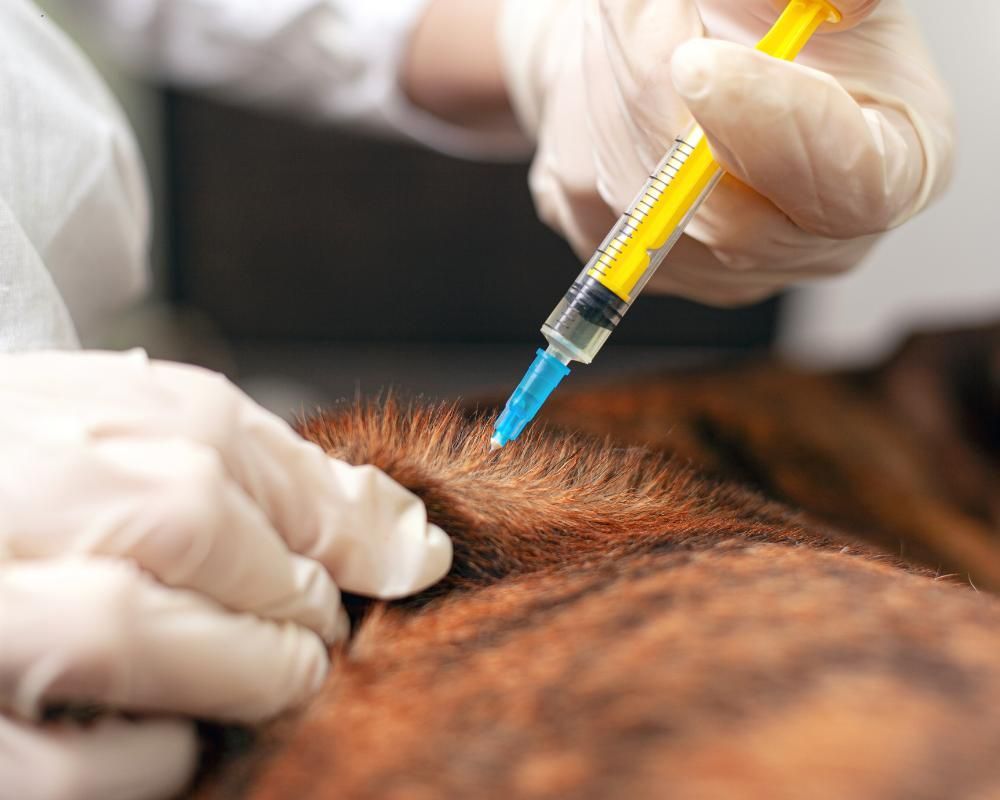
You will definitely need a consultation with your veterinarian concerning kitten vaccinations around 6-8 weeks of age. Vaccinations after the 6-8 weeks of age period will be repeated every 3-4 weeks until the kittens are 4 months old. This schedule of basic vaccinations will protect your kitty from diseases such as feline distemper, feline herpes virus 1, and rabies. Based on the needs of your kitten, your veterinarian will help you know which vaccinations are best for your kitty.
Chipman Road Animal Clinic is Your Trusted Local Veterinarian in Lee's Summit!
Chipman Road Animal Clinic serves all of Lee’s Summit, MO and the surrounding areas with excellent veterinary care with affordable prices. Our door is always open and you can stop in any time without an appointment. Call us when your cat is giving birth for the first time or for advice on how to prepare for kittens. We love kittens and will extend the best care for your mother cat and her kittens. Call today at: 816-524-1886.