
What Can Dogs Eat? Safe Human Foods for Dogs and Foods to Avoid
If you are unsure what your dog can safely snack on, consult with a trusted veterinarian to arm yourself to make confident choices based on your dog’s age, weight, health history, and everyday diet. Many pet owners ask, “what can dogs eat?” because sharing a bite from the table can feel like a small act of love. While some human food are perfectly fine in moderation, other foods can lead to stomach upset, choking risks, toxicity, or an urgent trip to the vet.
We will cover:
What Human Foods Can Dogs Eat Safely?
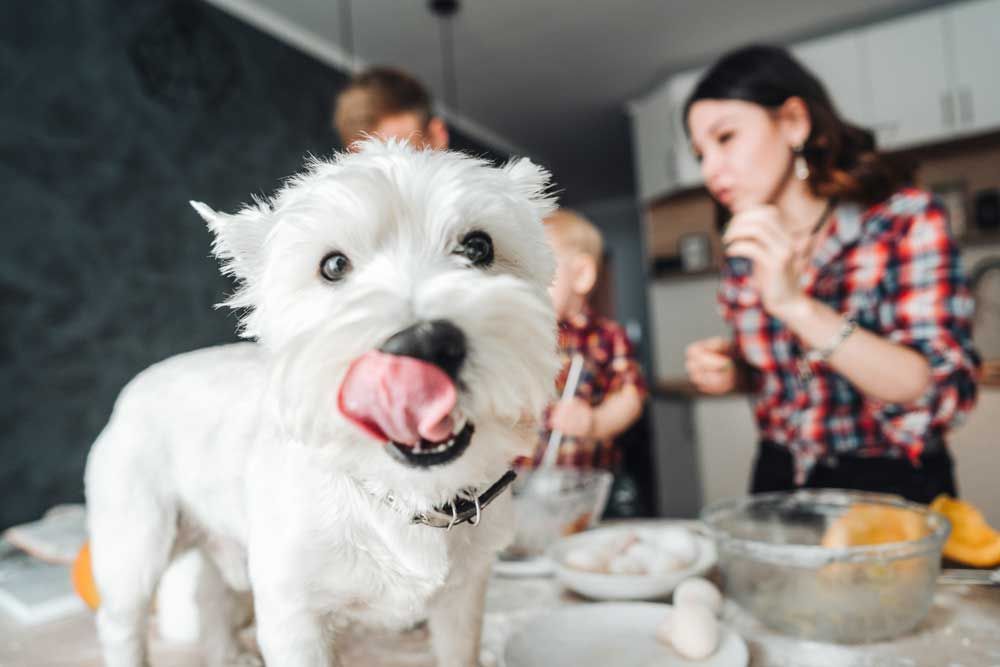
Dogs can enjoy certain plain, simple human foods, but those foods should support, not replace, a complete and balanced dog food diet. The safest people food dogs can eat is usually unseasoned, properly cooked when needed, cut into small pieces, and offered in small portions. Before introducing new dog safe foods, start with just a bite or two and watch for vomiting, diarrhea, itching, gas, or changes in behavior.
Fresh Fruits and Vegetables Dogs Can Eat
Fresh fruits and vegetables can be great safe foods for dogs when washed, cut into small pieces, and served in moderation. Good options include apple slices without seeds, bananas, blueberries, carrots, green beans, cucumber, pumpkin, and plain cooked sweet potato. Introduce new foods slowly, since even healthy human food for dogs can upset some stomachs.
From the Table: Bread, Meat, Eggs, Fish, and Other Simple Foods
Some table foods may be human foods dogs can eat when plain and prepared safely. Small portions of cooked chicken, turkey, lean beef, fish, or fully cooked eggs can be okay as occasional treats. Plain salmon or tuna stored in olive oil, with no added seasonings, can also make a flavorful topper. It may add omega-3 fatty acids and help entice older dogs or dogs who need to gain weight to eat, but it should still be offered in moderation.
Avoid bones, skin, butter, heavy oils, garlic, onion, sauces, marinades, and heavy seasoning. Plain bread should only be a small bite (It can be a great way to give medicine!), and raw bread dough should never be given to dogs.
Foods Dogs Should Avoid
Knowing what foods are toxic to dogs is just as important as knowing what can and can’t dogs eat. Keep these foods away from your dog, and call your veterinarian or an emergency clinic if your dog eats something questionable:
- Chocolate and caffeine
- Xylitol or products labeled “sugar-free”
- Onions, garlic, chives, and leeks
- Grapes and raisins
- Macadamia nuts
- Alcohol
- Raw bread dough
- Fatty, fried, heavily seasoned, or spicy foods
How Can I Incorporate Healthy Human Foods Into My Dog’s Diet?
You can incorporate foods safe for dogs by using them as occasional treats, small meal toppers, or enrichment snacks rather than turning them into your dog’s main diet. Keep portions modest, avoid added salt, sugar, butter, oil, garlic, onion, and artificial sweeteners, and introduce one new food at a time. These simple recipe ideas can make healthy human food for dogs feel special while still keeping safety and balance in mind.
Frozen Banana Peanut Butter Yogurt Treats
Mash 1 ripe banana in a small bowl. Stir in ½ cup plain, unsweetened yogurt and 1 tablespoon dog-safe peanut butter. Spoon the mixture into a silicone mold or ice cube tray, filling each space about halfway for small dogs or fully for larger dogs. Freeze for 3 to 4 hours, or until solid. Serve 1 small cube at a time.
Check that both the yogurt and peanut butter are free from xylitol or added sweeteners. If your dog does not tolerate dairy well, skip this treat or ask your veterinarian for a better option.
Baked Sweet Potato Chews
Wash 1 medium sweet potato and leave the skin on. Slice it lengthwise into strips about ¼ inch thick. Place the strips on a parchment-lined baking sheet and bake at 250°F for 2½ to 3 hours, flipping halfway through, until they are chewy and slightly dried. Let them cool completely before serving.
Offer 1 small chew at a time, and choose pieces that fit your dog’s size and chewing habits. Store leftovers in an airtight container in the refrigerator for up to 3 days.
Lightly Seared Chicken With Simple Broth Gravy
Cut ½ pound boneless, skinless chicken breast into small pieces. Cook it in a dry nonstick pan over medium heat, or with 1 to 2 tablespoons of water, until fully cooked and no pink remains. Remove the chicken and chop it into bite-sized pieces.
Add ½ cup low-sodium, onion-free, garlic-free chicken broth to the same pan. Simmer for 3 to 5 minutes, until slightly reduced. Spoon 1 to 2 tablespoons of chopped chicken and a small drizzle of broth over your dog’s regular food. Let it cool before serving.
Keep Your Dog Safe With Smart Food Choices
Knowing which foods dogs can and can’t eat can help you make better decisions when your dog gives you those hopeful eyes at the dinner table. Plain cooked meats, certain fruits, some vegetables, cooked eggs, and select simple foods may be safe in moderation, while chocolate, xylitol, alliums, grapes, raisins, alcohol, macadamia nuts, and raw dough should stay off the menu.
For local guidance on safe foods for dogs, nutrition questions, or concerns after your dog eats something they should not, contact Chipman Road Animal Clinic in Lee’s Summit, MO. Our team can help you understand what is safe for your dog, how to adjust treats for their health needs, and when a questionable snack needs veterinary attention.