Torigen’s Autologous Cancer Vaccine – Fight Cancer in Dogs
Finding a bump or lump on your dog can be worrisome to a dog owner’s heart so it’s always wise to have them checked out by your vet just to be sure there’s nothing to be concerned about. Having them checked is important because early detection of tumors in dogs is vital when it comes to working towards the best possible outcome for many cancers and tumors.
The veterinarian world is continuously striving for new discoveries that will benefit and improve our beloved dogs’ health, this includes trying to find a cancer treatment for dogs that’s both safe and effective.
The Vaccine Improves Survival Rate
The Advantages Of Torigen's autologous Cancer Vaccine
The Process Involved in Treating With Torigen's Autologous Cancer Vaccine
What To Know About This Exciting Discovery
In December of 2020, Torigen Pharmaceuticals Inc., an animal health biologics company, announced preliminary positive results that support the therapeutic potential of their Experimental Autologous Cancer Vaccine in treating some types of cancer.
Torigen’s vaccine findings have been incredibly promising across several different types of cancerous dog tumors, with many benefits. If you think your dog may have cancer or has been recently diagnosed, Torigen’s new treatment could be the ideal path to take. Cancer in dogs doesn’t have to mean the end of your beloved pet.
How Successful Will the Torigen Vaccine Be for Treating Dogs with Cancer?
Advantages of Torigen Cancer Vaccine Over Chemotherapy
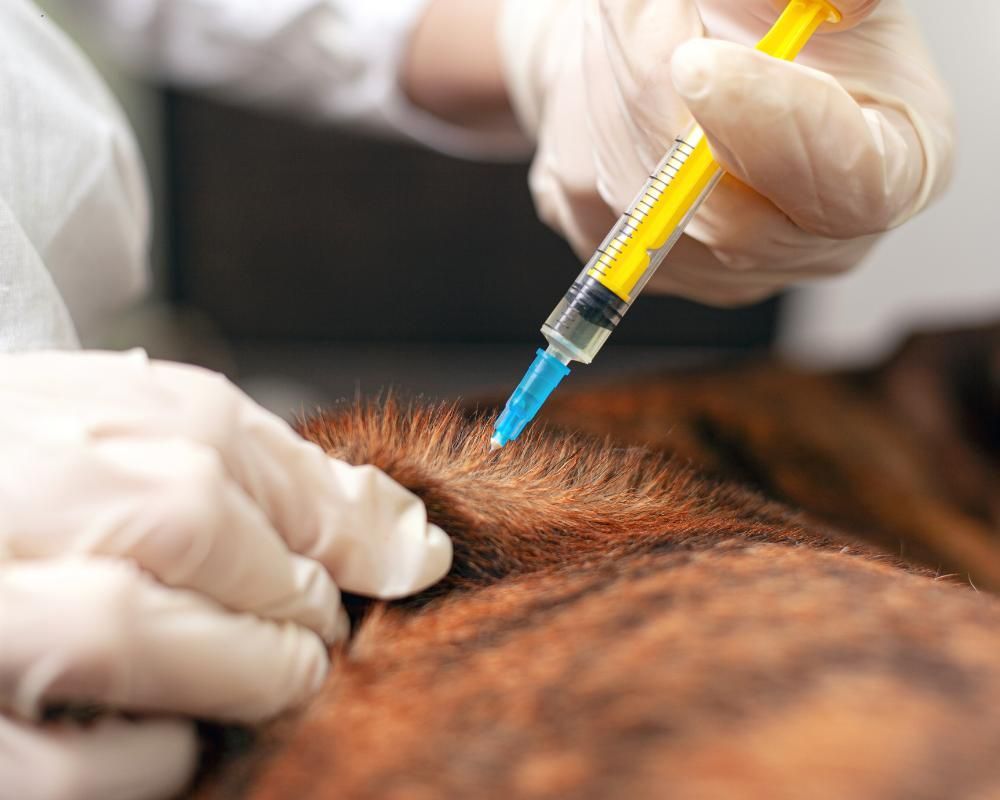
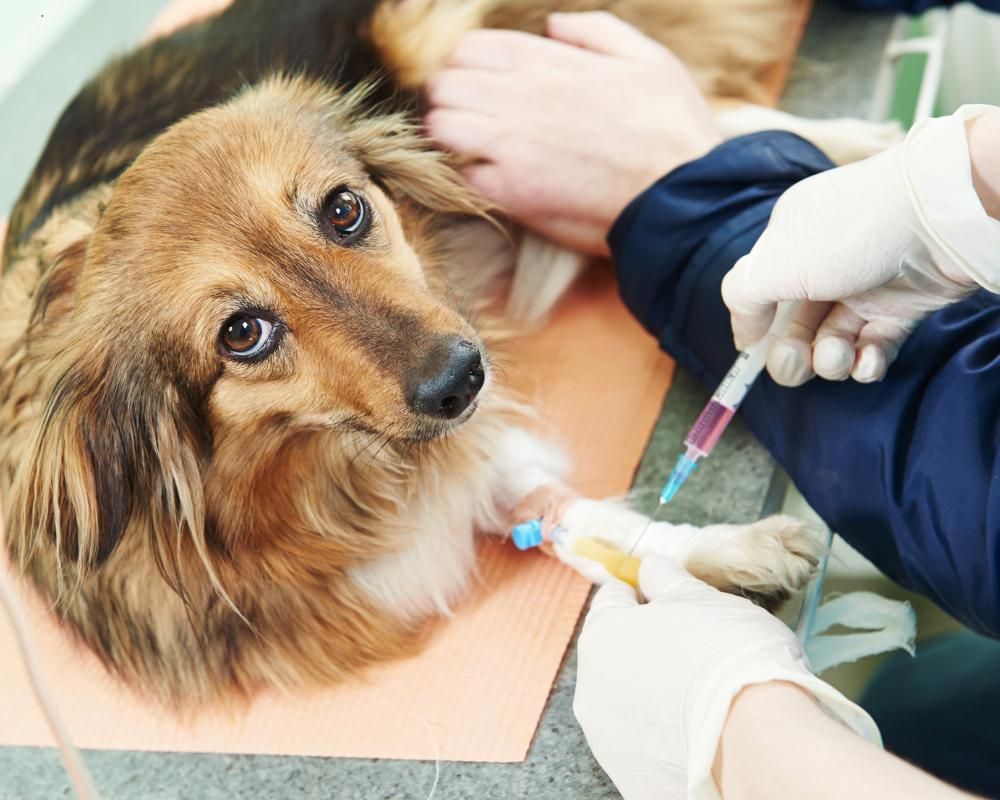
While the median survival time of the dogs with cancer receiving the vaccination was equivalent to the dogs being treated with the MTD chemotherapy, the vaccinated dogs did not report any adverse effects. The one-year survival rate was 12.5% for the dogs receiving the Torigen vaccination compared to the 0% for dogs with cancer treated by surgery alone OR surgery followed by the MTD chemotherapy. Approximately 8 million pets develop cancer every year in the United States alone. Torigen’s immunotherapy is truly a game-changer for pet owners when finding signs of cancer in dogs. This vaccine is a form of active immunotherapy which triggers your dog’s own immune system to fight the cancer. It is an advantageous, personalized vaccine treatment, that not only:
- Increases your dog’s survival rate,
- But it also gives your dog a more pleasant experience when undergoing treatment because it evades the adverse effects caused by chemotherapy.
- In can be used to encourage cancer immunity, helping to prevent the disease from returning.
- And in addition, it presents an opportunity for more affordable treatment typically costing significantly less than traditional cancer treatment for dogs.
- As well as offering flexible cancer treatment plans.
Even though Torigen’s new treatment is relatively new to the industry, it has shown promising results of reducing and even eliminating 40 different types of cancerous dog tumors in over 600 patients.
The Process for the Torigen Autologous Cancer Vaccine
When You Should See Your Vet?
Dogs are hard to read and many of the outward symptoms of illness in dogs could be a wide variety of issues. That's why it's best to work with your vet if you have any concerns. If you notice new symptoms such as;
Appetite changes
Digestive issues such as vomiting or diarrhea
Swelling in the abdomen
Behavioral changes including seizures
Changes to breathing (Respiration)
Pale gums
General lethargy or lack of energy.
It's best to take your dog in for a wellness check and possible further testing.
Interested in The Torigen Cancer Vaccine for Your Dog? Contact Chipman Road Animal Clinic Today!
Tumors in dogs leading to a cancer diagnosis is never the news a pet owner wants to hear. Thankfully, Chipman Road Animal Clinic is dedicated to staying at the forefront of cancer technology. We are now offering Torigen’s Experimental Autologous Cancer Vaccine. If you’ve noticed signs that could be cancerous or have received a cancer diagnosis, call our clinic today and we can talk about whether your dog is a candidate for this option.
We understand your dog isn’t just an animal; your dog is family. And our love for our dog patients is evident in all we do! Our friendly, compassionate staff is dedicated to doing the absolute most for the benefit of your dog’s life and health. Call us at
816-524-1886 .