




Living with Cats and Houseplants? Tips To Know
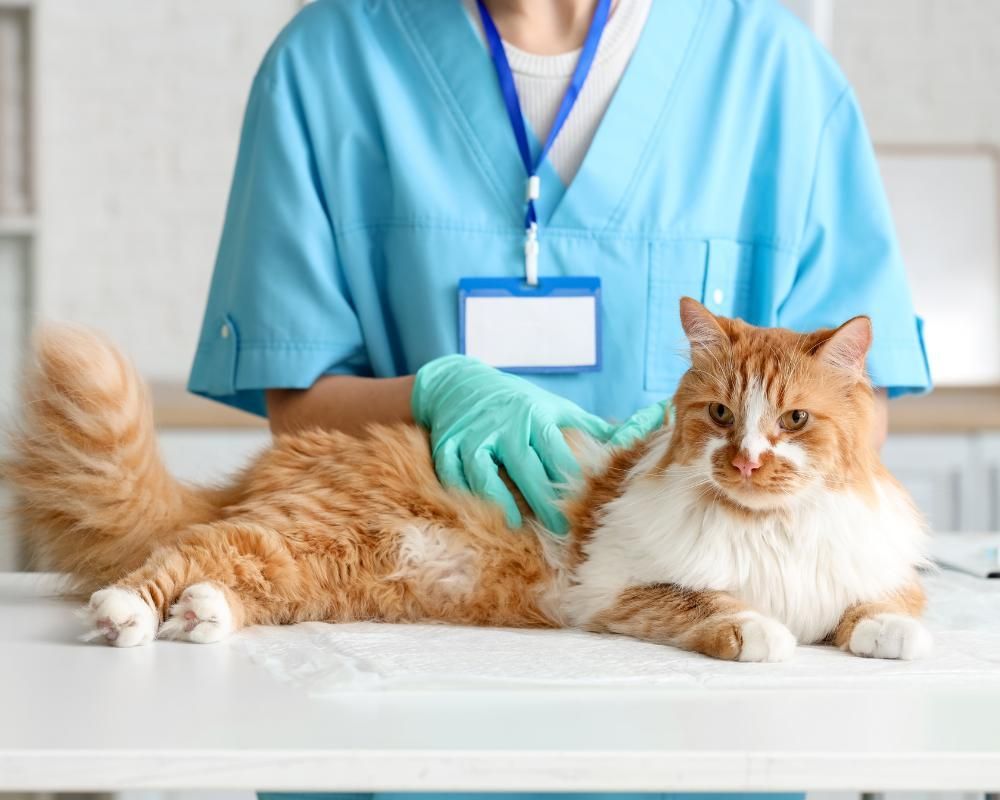
Next time you're at your vet wellness exam, ask your vet how house plants and cats are the same.
We talk to them. We feed them and make sure they are well taken care of. We make plans for them when we go out of town. After all, they make a house a home and they are great to come home to after a long day of work.
Cats And HousePlants
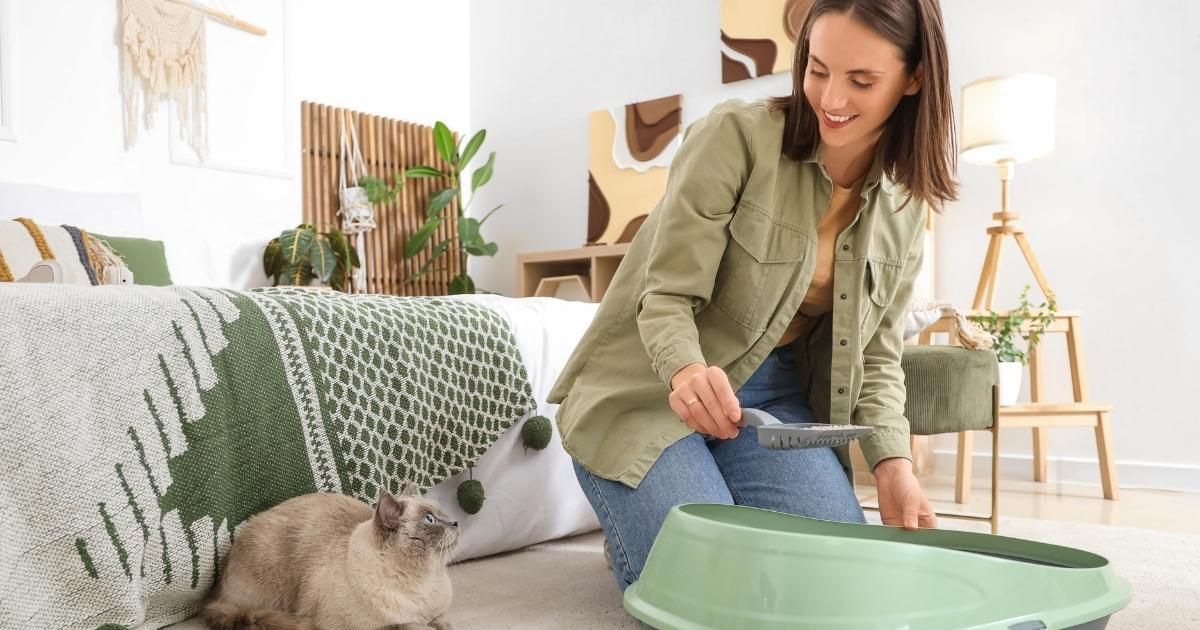
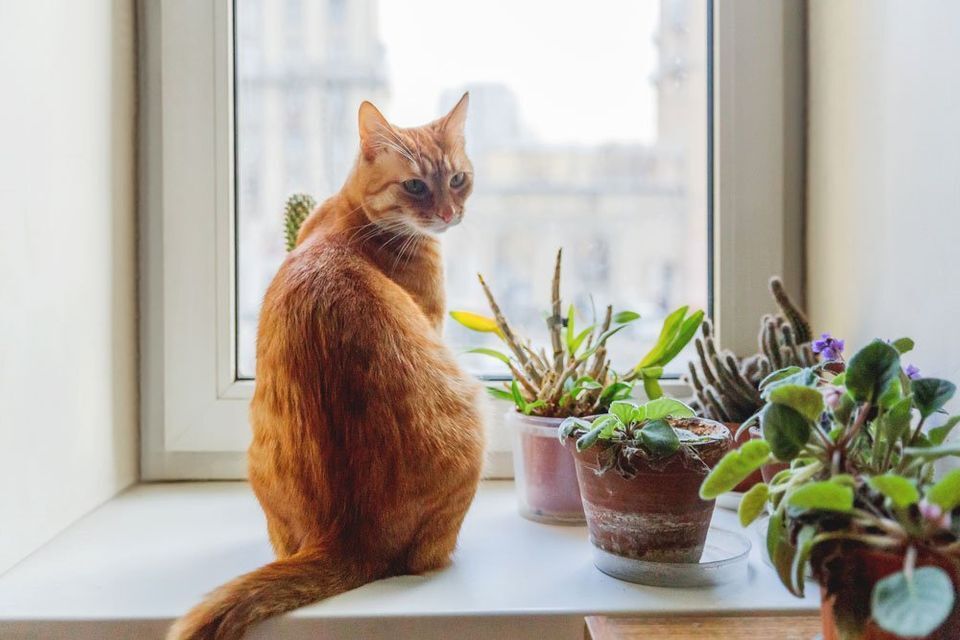
Some hungry cats may eat plants, which can make them sick, or swat at swinging leaves. Some may use them as a litter box, and the mischievous cats may just feel like knocking them over.
Making sure your home is a happy and healthy environment for both plants and cats can take a bit of work, but here are some tips and strategies you can take into account when trying to find that perfect balance between feline and flower.
Houseplants To Avoid If You Have Cats
Of course, watching your little furry friend 24/7 is an impossible task. No matter what they are going to find a way to get into trouble! Nobody wants a chewed up plant, but there’s much more cause for concern than just some missing leaves. Certain plants are poisonous to cats and cause digestive issues, difficulty breathing, swelling, kidney failure and more.
Some common houseplants that are poisonous to cats include:
- Aglaonema
- Aloe
- Autumn Crocus
- Devil’s Backbone
- Dieffenbachia (also known as “Dumb Cane”)
- English Ivy
- Kalanchoe
- Lily
- Pencil Cactus
- Silver Jade
Reactions can range from mild or potentially fatal. If you suspect your cat has ingested a potentially poisonous plant, contact Chipman Road Animal Clinic or an emergency vet as soon as possible.
Cat Safe Houseplants
There are many plants that are considered pet-friendly:
- Bamboo Palm
- Baby's Breath
- Baby's Tears
- Christmas Cactus
- Hibiscus
- Parlor Palm
- Pteridophyta variety of Ferns
- Spider Plant
- Sweet Potato Vine
- Swedish Ivy
While these may not be harmful to curious kitties, that doesn’t mean you necessarily want your cat to munch on them or use them as a litter box!
Take Proactive steps to protect your plants and cat
You can have your pet and your plants too with some proactive planning.
Hang your plants - From ceiling hooks, up on floating shelves, there are several ways to keep plants away from your cat. But beware, if your cat is a climber or daredevil, these may not always work.
Cat Repellent Spray: You can buy sprays to help repel your cat, whether it's a smell their nose doesn't like or it's got a bitter flavor. There are DIY ones you can create but make sure the ingredients are safe for you, your plant and your cat.
Protect Your Plant In Style: Clear containers can be used as a sort of greenhouse to protect your plants by being put over them. For cats that like to dig (Or deposit) in the dirt, you can use decorative rocks or other items to put a barrier between the dirt and your cat.
What To Do If You Think Your Cat Ate A Poisonous Plant?
If you found your feline friend gnawing on some greenery you know they shouldn't have, here are some steps to take before heading to the vet.
Type and amount: If it's your own houseplant you may be able to estimate how much your cat might have eaten. That will help your vet know how strong a reaction your pet may have. Take a picture of the plant or even a small cutting with you for positive identification.
Google is not your friend. Don't rely on online searches to tell you if your pet is at risk or not. Every animal is different and just as some people can eat shellfish and some can't, it's safer to rely on professional help to evaluate if your pet needs additional care.
Contact Chipman Road Animal Clinic If You Have Any Questions