
When to Take a Limping Dog to the Vet vs. Monitor at Home
Diagnostic services
can pinpoint the cause of your dog's limp, whether a paw is simply irritated or needs medical attention for a more serious condition. Watching your dog struggle to walk is heartbreaking, and it's hard to know when you should seek veterinary help if your dog is limping. If you're wondering about dog limping and when to see a vet, this post explains when it's safe to monitor your dog at home and when to call a veterinarian.
In this post, we will cover:
•
Check for paw or leg irritations
•
When to safely monitor at home
•
When veterinary attention is necessary for limping
•
Common causes for limping
Limping Can Have Simple or Serious Causes
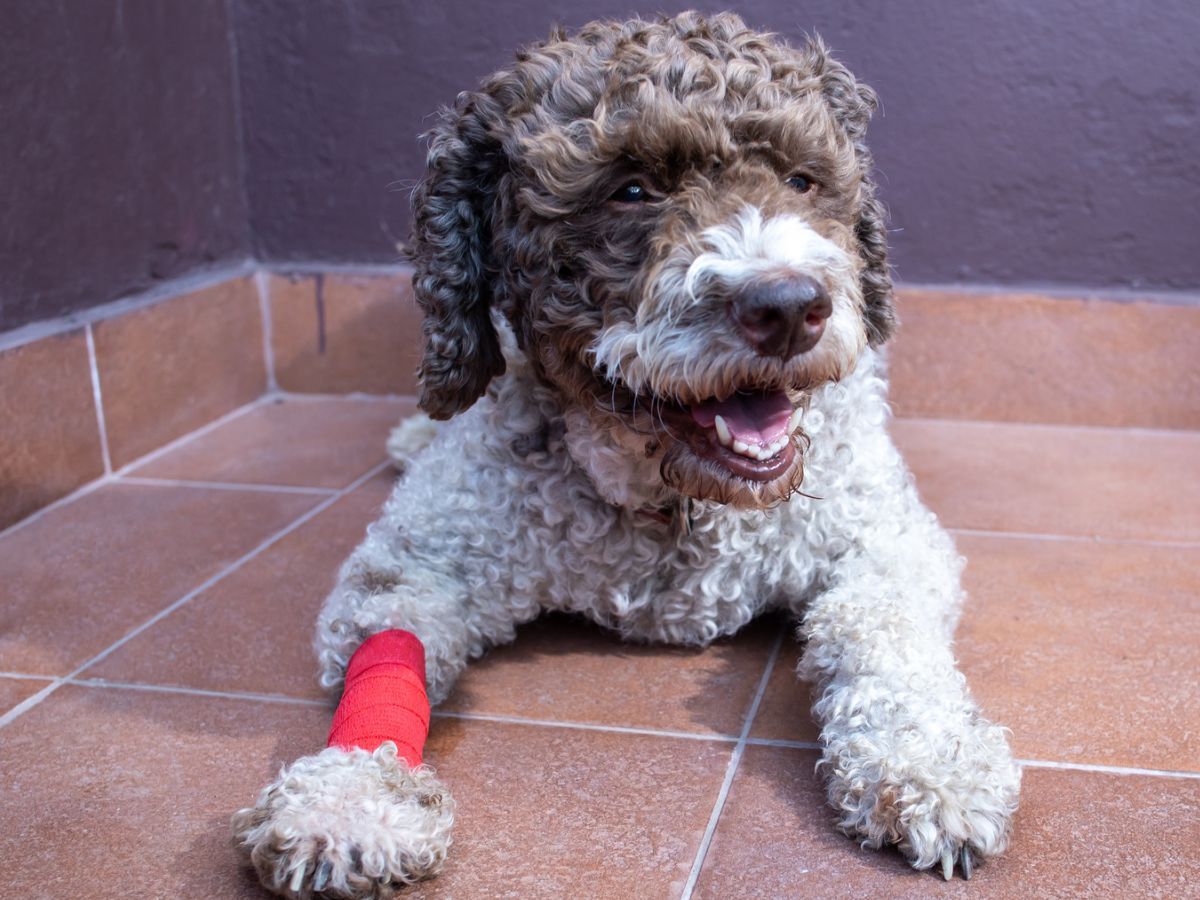
Why is my dog limping? Whether a thorn is stuck in a paw or the pain comes from a sprain, joint problem, wound, or something else, limping is a symptom, not a diagnosis. If your dog is limping, determine which leg they're favoring. How is their walking affected? What signs of discomfort are they showing? Calmly observe your pup without encouraging them to walk, and avoid handling them if they're in pain. Your observations, such as whether the limp is worse after rest, can help the veterinarian spot common signs of arthritis in dogs or other issues.
First, Check for Simple Paw or Leg Irritants
If your dog is limping on a front leg, start by checking there for visible signs of irritation or injury. Make sure your dog is as comfortable as possible while you inspect. Gently look for:
• Burrs or other debris between the claws
• Irritated, scratched, or cracked paw pads
• Broken or damaged claws
• Small cuts or wounds
• Dirt, sticks, thorns, or other debris trapped in the fur or stuck in the paw pads
Remember, even naturally calm dogs can bite when they're hurt or scared. If your dog reacts aggressively, taking them to the vet may be the safer option for checking a painful area.
When It May Be Safe to Monitor for a Few Hours
Dogs don't always show signs of discomfort, so keep a close eye on their limp. If you're saying, "My dog is limping but shows no sign of pain," it's reasonable to monitor them at home for a few hours when:
• They can walk, eat, and otherwise behave normally
• They are not crying, guarding the leg, or showing obvious signs of pain
• The limp improves with rest
• You cannot find swelling, wounds, or significant changes in behavior
Limit activity and encourage rest while you watch a limping dog at home. Let them go outside for bathroom breaks, but discourage running and jumping. Never give a dog human pain medication
without consulting your veterinarian.
Red Flags That Require Prompt Veterinary Attention
The following red flags will help you know what to do if your dog is limping. It's time to seek veterinary care when:
• Your dog won't bear weight:
Your dog is not putting weight on a back leg, or any leg.
• There's swelling:
Swelling is noticeable around a leg, paw, or joint.
• Pain is obvious:
Crying, shaking, excessive panting, or reacting strongly to touch.
• There was a recent injury:
Limping after a fall, accident, or hard impact.
• Wounds are visible:
Open wounds, bleeding, or a leg that appears bent or positioned abnormally.
• Health changes occur:
Lethargy, fever, loss of appetite, or sudden changes in behavior.
These red flags can point to fractures, ligament injuries, or infection, and they should be evaluated by your veterinarian right away to prevent further injury.
What Common Situations Can Cause a Dog to Limp?
Mishaps during everyday activities can cause a dog to limp. Leaping from a couch, bed, porch, or car can strain or injure a leg or joint. Rough play with other dogs, running on uneven ground, and slipping on hard floors can also cause injuries. In summer, hot pavement can cause sore paw pads, and sidewalk salt is a wintertime hazard for paws. Burrs, thorns, or small pieces of gravel that poke between paw pads and claws can also make walking painful.
At other times, you may not discover what's causing your dog to limp. It's time to visit the vet when you suspect underlying conditions, like joint problems, ligament injuries, or internal issues.
Conclusion: When in Doubt, Have a Limp Evaluated
It's not always easy to know what to do if your dog is limping. If your dog has a mild limp and is otherwise acting happy and healthy, it makes sense to monitor them at home for a short time, since the limp may resolve on its own. Seek veterinary care if symptoms persist, get worse, or cause pain.
At Chipman Road Animal Clinic, we provide excellent, affordable care to dogs in Lee's Summit and the surrounding areas. We want your pet to stay healthy and comfortable. If your dog is limping, in pain, or not improving with rest, bring them into the clinic. We'll evaluate your dog's symptoms, identify the issue, and recommend treatment to get your four-legged pal back on their paws.